


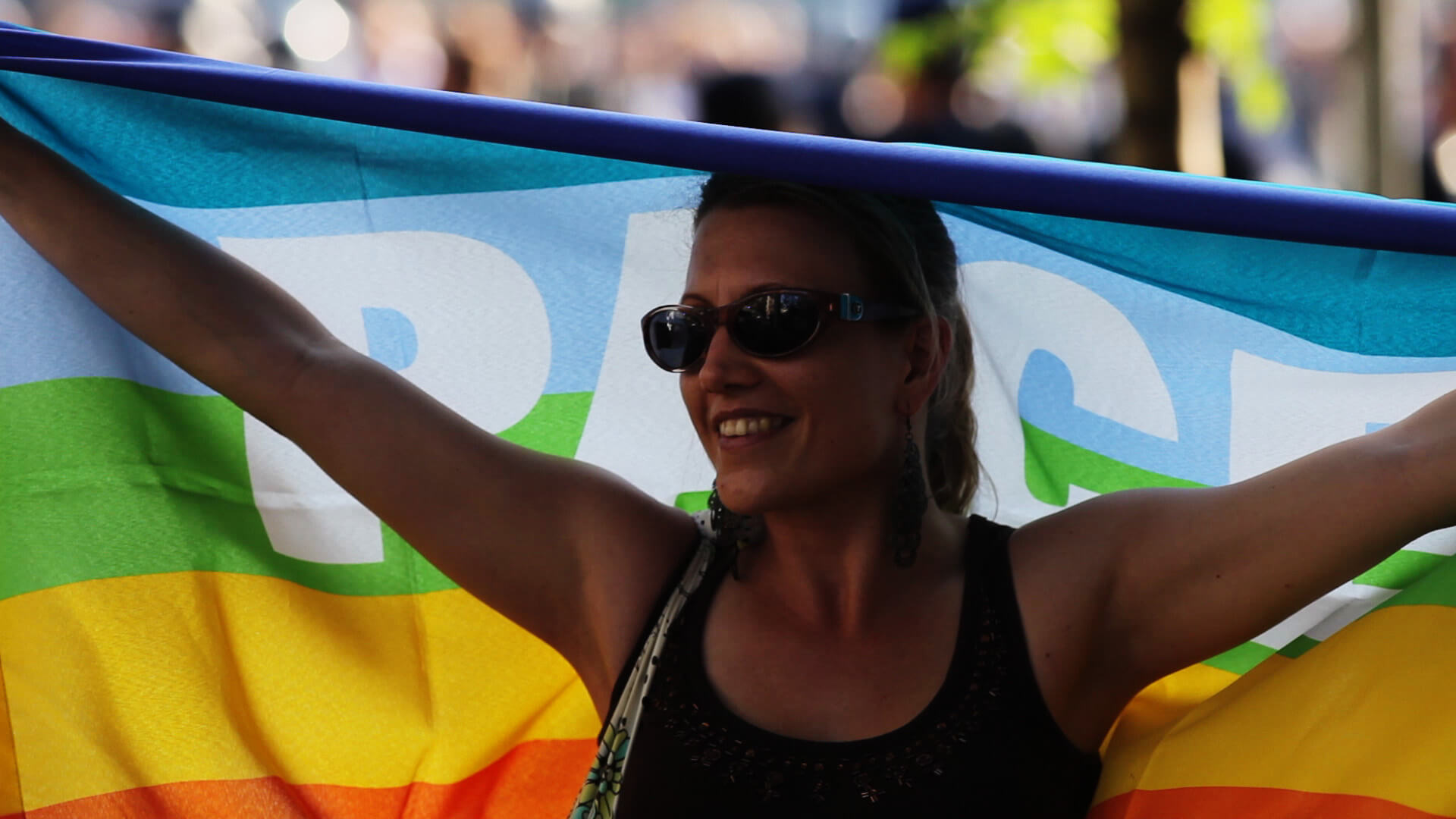






On April 10, 2018, Warsaw witnessed what was reported as the final regular monthly commemoration (the “miesięcznica”) of the 2010 air disaster near Smolensk. The ceremony took place on Krakowskie Przedmieście in front of the Presidential Palace, where families of the victims and political figures gathered to mark eight years since the tragedy. At the same time, Obywatele RP organised a counter-gathering nearby, carrying white roses, national flags, and banners. Their message emphasised civil...
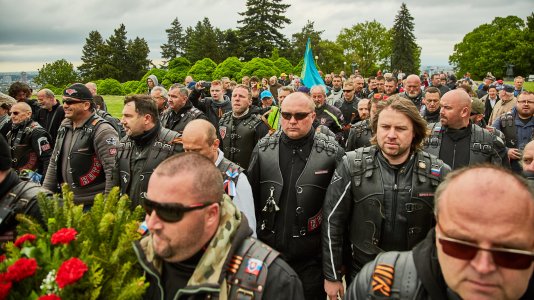
The Night Wolves, a Russian biker gang with strong ties to President Vladimir Putin, embarked on a 3,700-mile journey across Europe to commemorate the 70th anniversary of the victory over Nazi Germany. The group’s controversial route from Moscow to Berlin generated significant attention and led to complications with European authorities. This article examines the Night Wolves’ journey, their encounters with law enforcement, and the public’s reaction to their “victory...
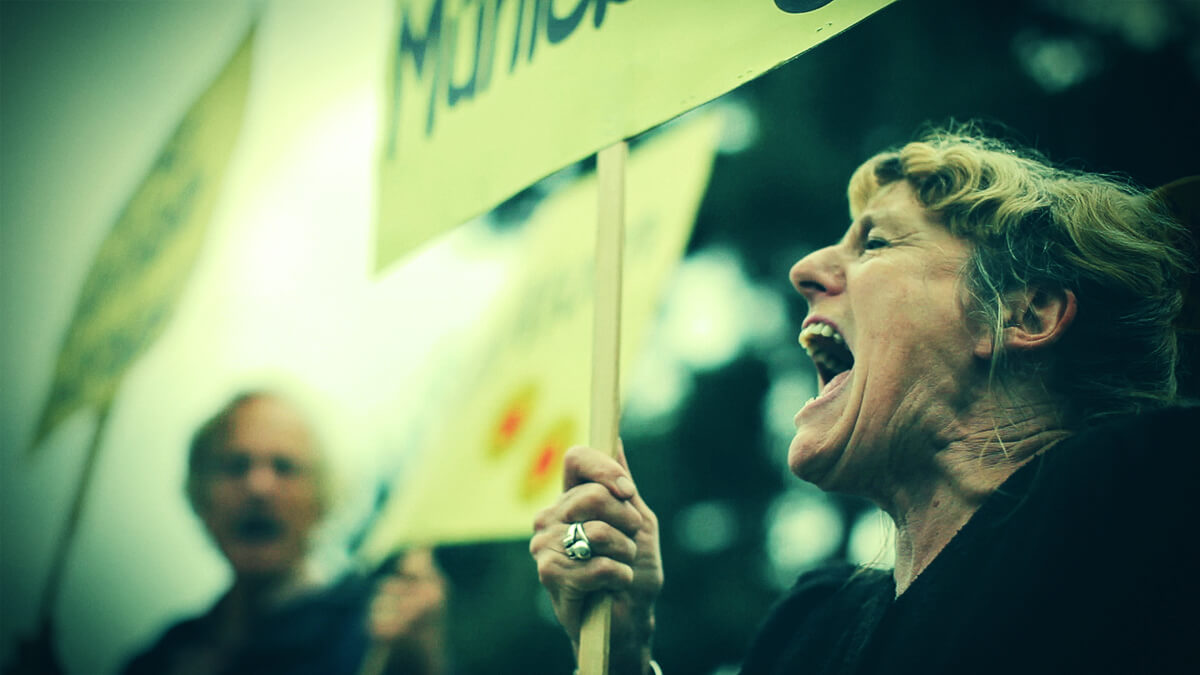
Mühleberg (Switzerland), 4.9.2011. Sie führte 12 Männer und 14 Frauen weg, die beim Wasserkraftwerk die Strasse Richtung AKW versperrt hatten. Die Teilnehmenden leisteten beim Polizei-Einsatz nach übereinstimmenden Berichten von Aktivisten und Polizei keinen Widerstand. Die Aktivisten wurden nach einer Befragung wieder auf freien Fuss gesetzt. Sie werden verzeigt wegen Störung des öffentlichen Verkehrs, Ungehorsams gegen eine amtliche Verfügung und wegen Störung von Betrieben, die der...

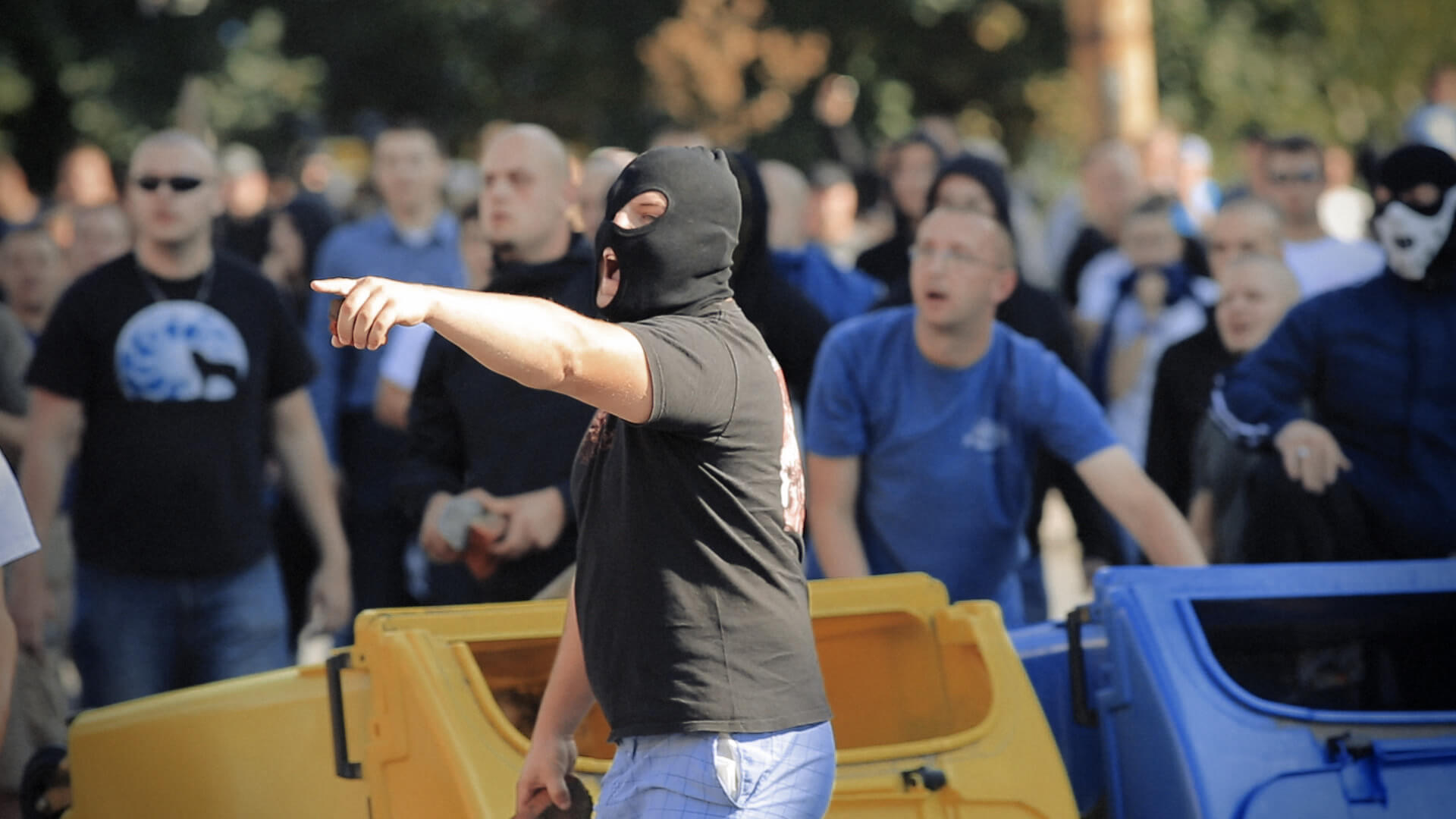
In 2010, the Czech city of Brno became a symbolic site of civic resistance against the growing activity of the far-right Workers’ Party of Social Justice (DSSS). The extremist group, successor to the banned neo-Nazi Workers’ Party, announced a public rally in Brno only months after one of the most shocking racist crimes in the country — the arson attack in Vítkov (April 2009), in which a two-year-old Romani girl, Natálka Kudriková, suffered life-threatening burns when neo-Nazis threw Molotov...

Four days after the planned murder of Matúš and Juraj on Zámocká Street, a gathering took place in their memory. The event, titled “Staying in the Streets – Antifascist March through the City,” wound its way from SNP Square to the Parliament building. Participants voiced solidarity with LGBTQ+ communities and emphatically rejected fascism in all its guises. During the rally at the Parliament building, speakers reiterated the importance of continued resistance against ideologies...

On July 10, 2017, Warsaw’s Krakowskie Przedmieście once again became the site of parallel gatherings marking the 87th monthly commemoration of the 2010 Smolensk air crash. The official ceremony, attended by government representatives and families of the victims, was accompanied by a counter-demonstration organized by the civic movement Obywatele RP (Citizens of Poland). Among those who joined the protest was former Solidarity activist Władysław Frasyniuk. While government supporters marched...
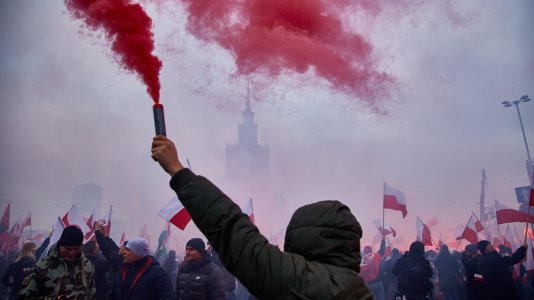
On November 11th, 2016, Poland celebrated its Independence Day, but the day was marred by controversy over the Marsz Niepodleglosci (March of Independence) organized by far-right groups. The march attracted tens of thousands of participants, many of whom carried banners with slogans promoting nationalism and anti-immigrant sentiment. The march began peacefully, but as it progressed, tensions rose, and there were reports of violence and hate speech. Far-right groups clashed with counter...
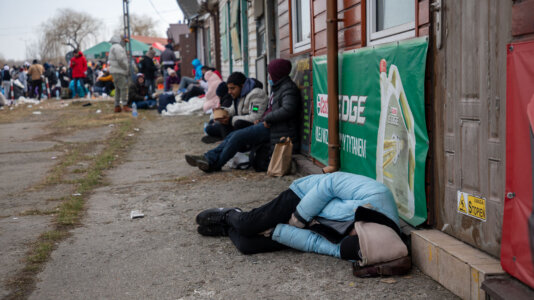
The Medyka-Shehyni border crossing has become emblematic of the humanitarian and racial complexities that emerged in the early days of the war in Ukraine. While Poland opened its borders to millions of Ukrainian refugees fleeing the Russian invasion in February 2022, the initial wave of solidarity revealed underlying racial biases and inequities in the treatment of refugees. The Humanitarian Divide During the first days of the conflict, images of long lines at the Medyka crossing were broadcast...

On Thursday, August 17th, 2017, police in Poland forcefully removed feminist activists who were participating in a sit-in to block the route of a far-right rally in central Warsaw. The Women’s Strike group and activists from Obywatele RP, who aimed to defend democratic principles in Poland, were attempting to prevent several dozen extremists from marching on Poland’s Armed Forces Day. The feminist protesters, many holding photos of Heather Heyer, the American woman killed during a...
On June 2nd, 2012, Warsaw was the site of the annual Queer Parade, also known as the Equality Parade, for the rights of the LGBTQ community. The event attracted thousands of participants, including members of the LGBTQ community, allies, and supporters. The Queer Parade is an important event in Poland, where LGBTQ individuals often face discrimination and hostility. The organizers of the parade believe that every individual has the right to express their sexuality and gender identity without...
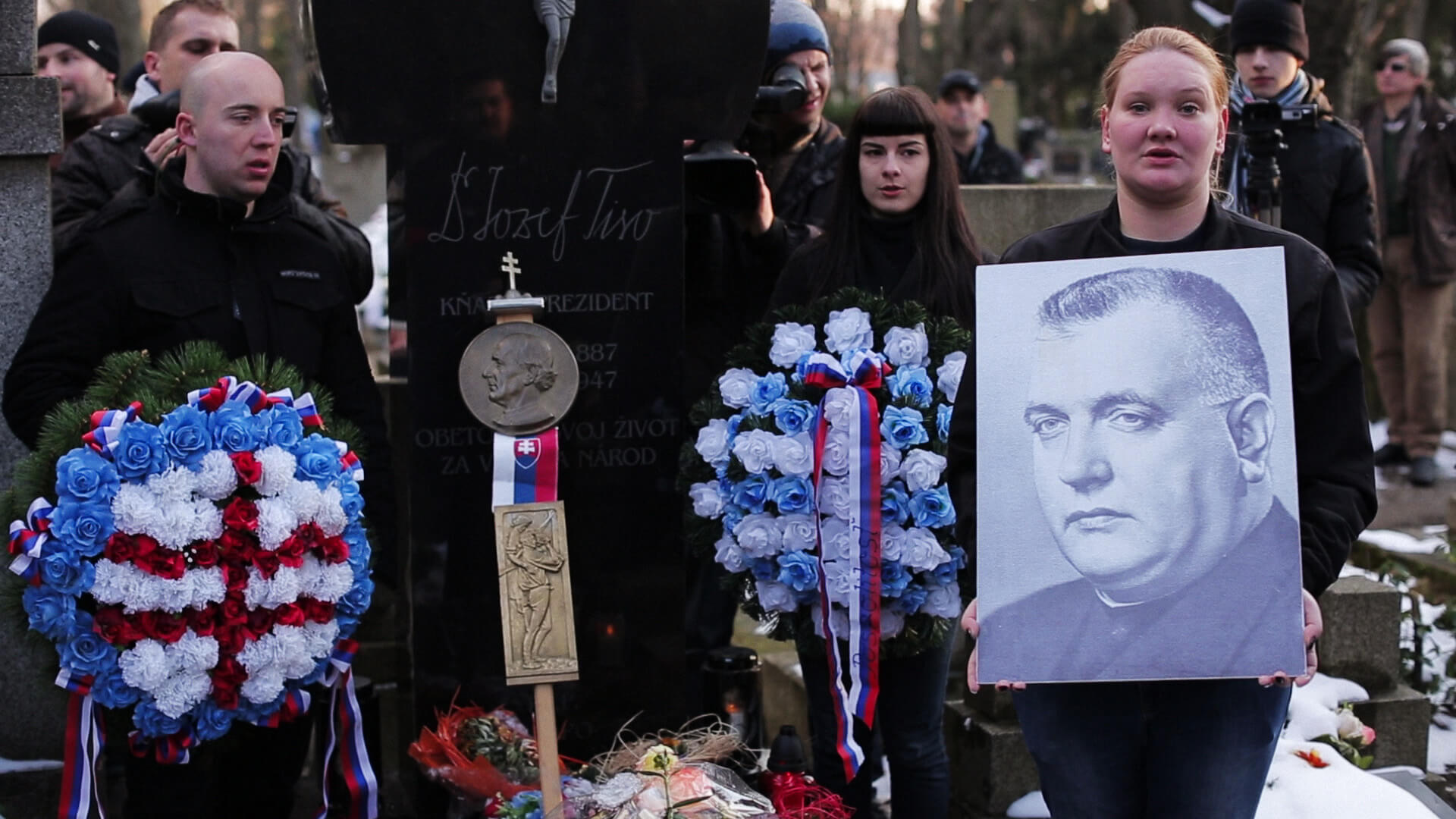
On March 14, 2015, the wartime Slovak Republic, an ally of Nazi Germany, was commemorated by extremist nationalist groups during the annual “For Independent Slovakia” march. In previous years, the event had witnessed violent clashes between the extremist groups and anti-fascist activists. However, this year, marking the 76th anniversary of the establishment of the Slovak state, police intervention successfully prevented clashes by diverting the nationalists to a different location...
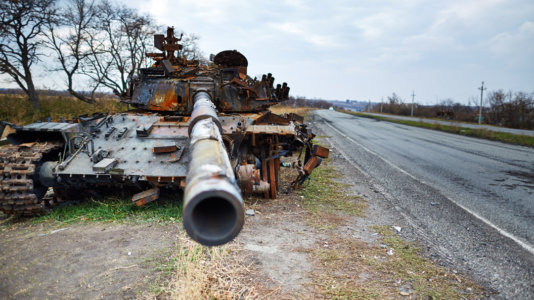
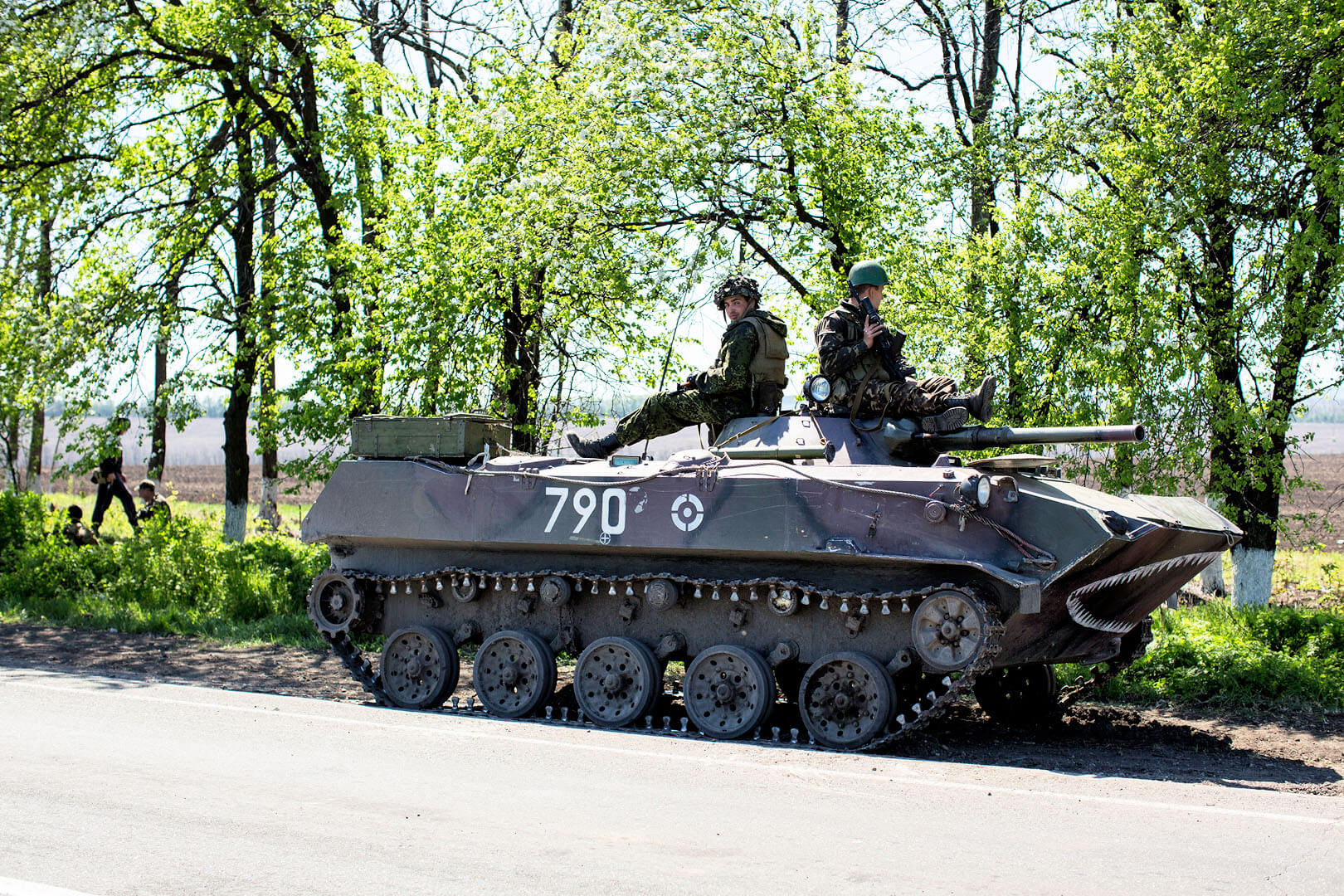
This video captures the civilian population caught in the middle of the ongoing war in Ukraine, which started with the Russian annexation of Crimea in 2014. The conflict has been fueled by a hybrid war, involving not only military operations, but also propaganda, cyber attacks, and the support of separatist movements. Despite several ceasefires, the fighting has continued, and the conflict has caused the largest refugee crisis in Europe since World War II. In 2022, the situation in Ukraine...