






On 18 June 2011, Budapest hosted one of its most significant LGBTQ events to date – the Queer Parade, organised as part of the 16th annual Budapest Pride festival. The march followed months of legal uncertainty after police attempted to block the planned extended route. A Budapest court later overturned the restriction, calling it a violation of the right to peaceful assembly and allowing the organisers, the Rainbow Mission Foundation, to proceed with the event.
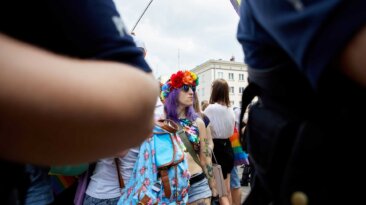
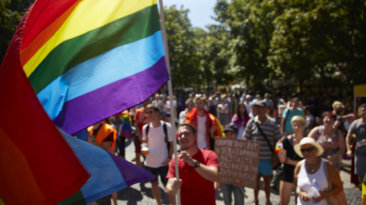
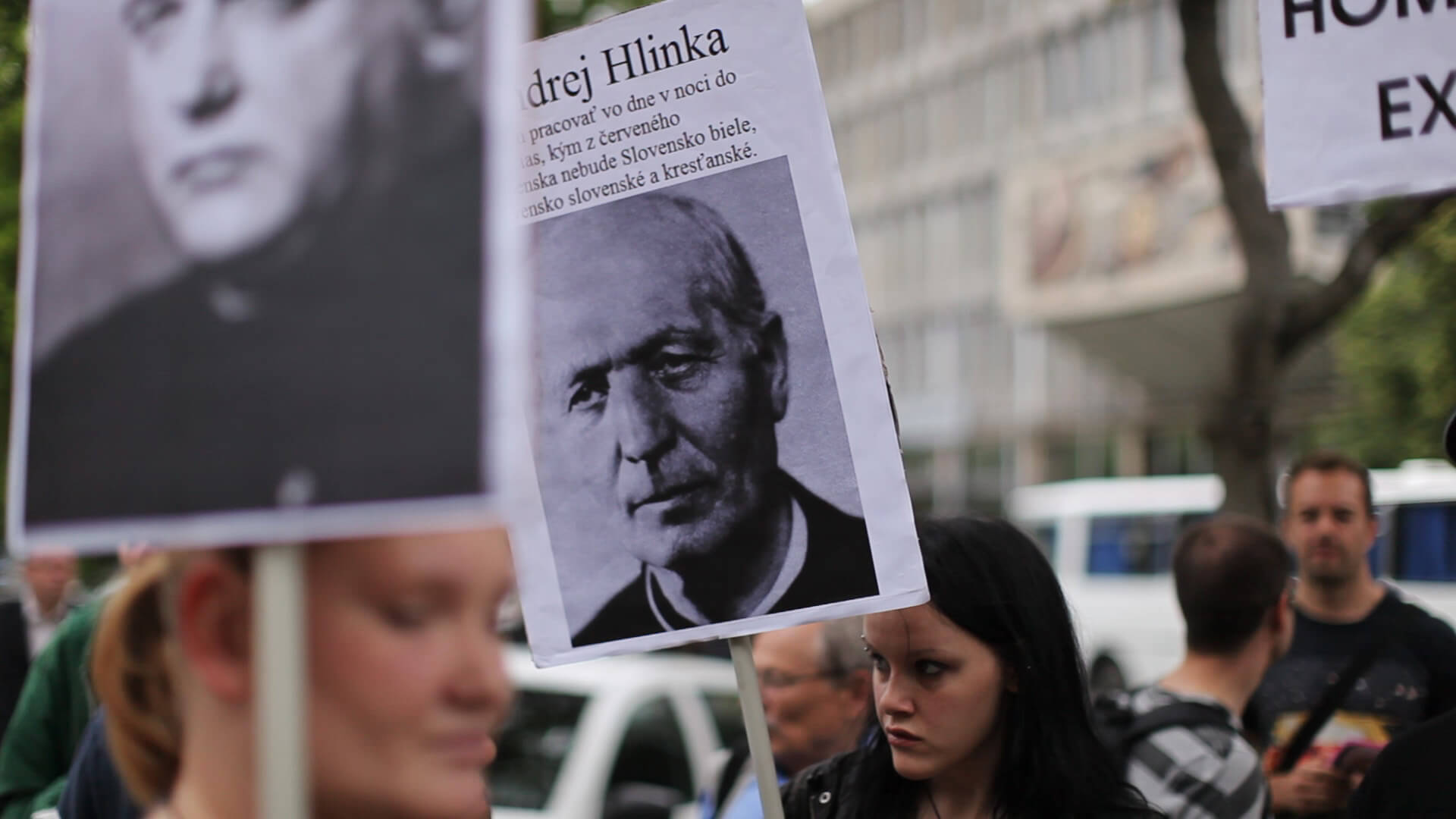
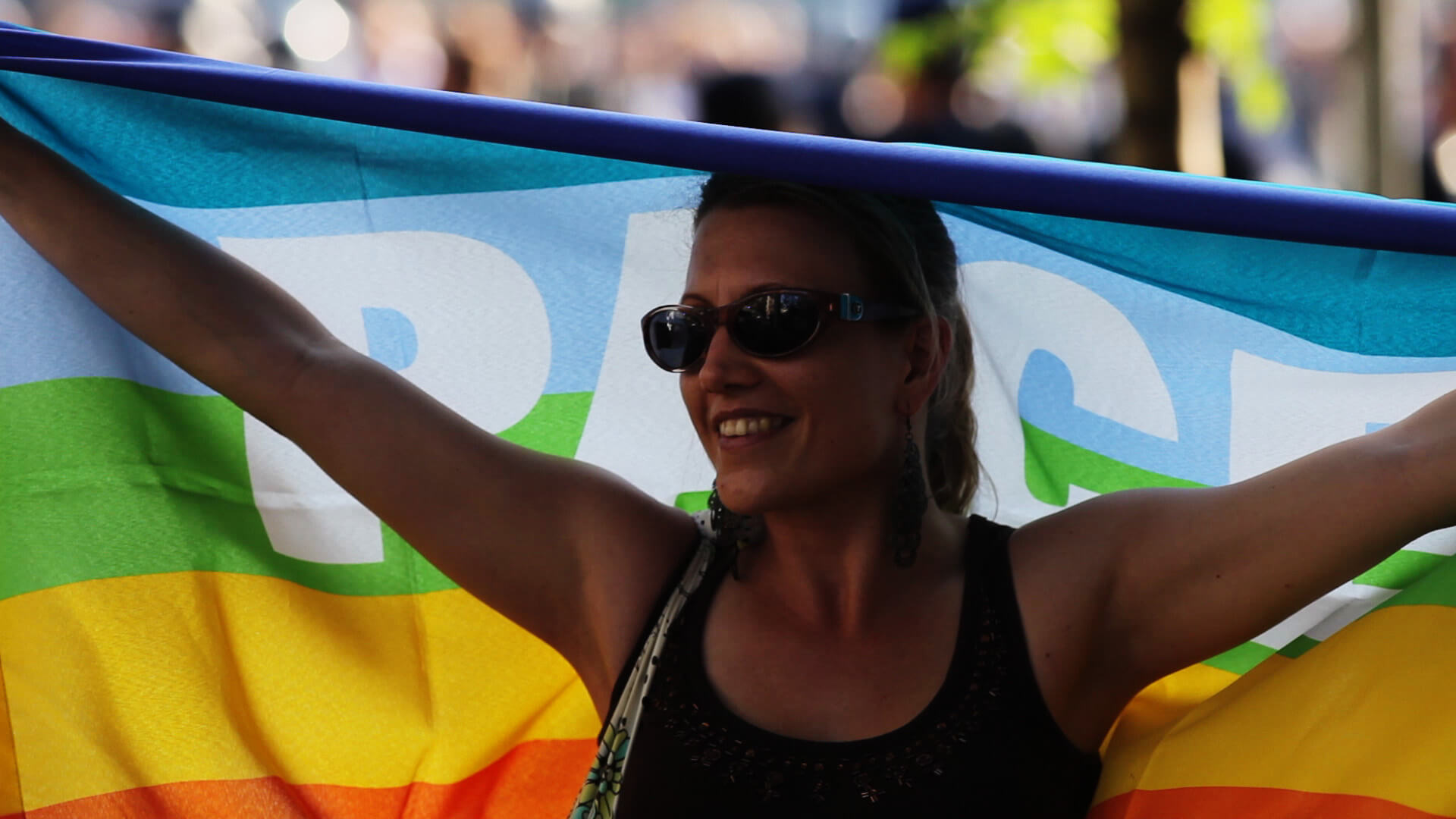
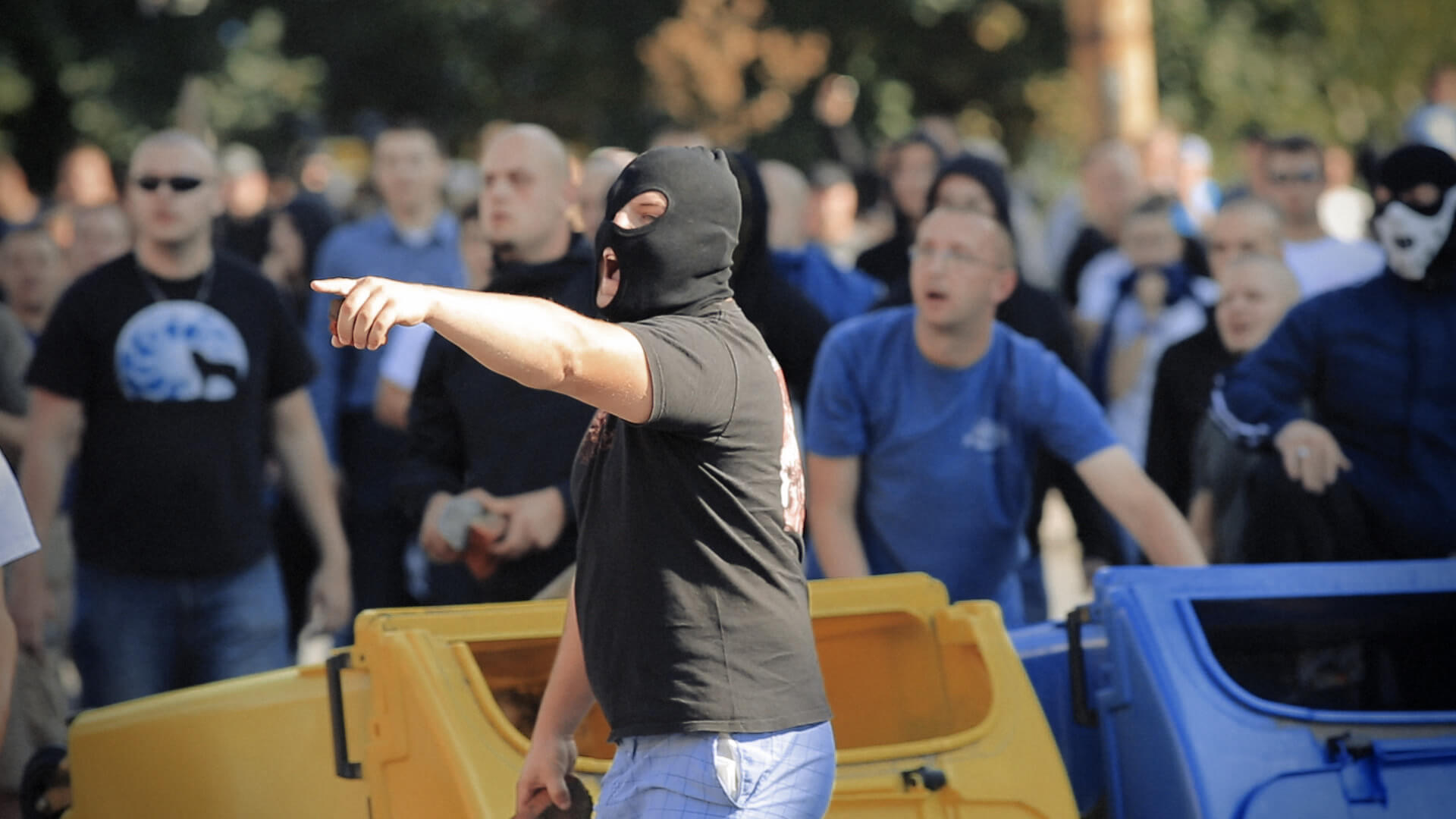
Thousands of participants gathered in the city centre and marched along Andrássy Avenue, carrying rainbow flags, banners and signs calling for equality, dignity, and human rights. Supporters included local organisations as well as international groups such as Amnesty International. The parade took place under increased police protection due to the presence of far-right groups, which had in previous years attempted to disrupt Pride events. Despite the tense atmosphere, the 2011 march proceeded safely and without major incidents.
For Hungary’s LGBTQ community, the 2011 Queer Parade represented more than a colourful public celebration. It became a symbolic demonstration of visibility at a time when discussions around LGBTQ rights were only beginning to enter the mainstream. The successful defence of the parade’s route in court also marked a rare legal victory, reinforcing the principle that the right to gather and express identity peacefully must be protected, even against political pressure.
Although the event highlighted persistent resistance from conservative and nationalist groups, it also showed the resilience and determination of the LGBTQ community in Hungary. The Budapest Queer Parade of 2011 remains an important milestone — a moment when the fight for equality moved from contested legality into public space, gaining strength, visibility, and international solidarity.