









In 2015, the Greek island of Lesbos became one of the main entry points into Europe for people fleeing war and persecution in Syria, Iraq, Afghanistan, and beyond. Each day, dozens of overcrowded rubber boats arrived from the Turkish coast, carrying families who had risked everything to cross the Aegean Sea. Local residents and volunteers from across Europe quickly formed spontaneous aid networks to help the exhausted and traumatized newcomers...
Category - Balkan

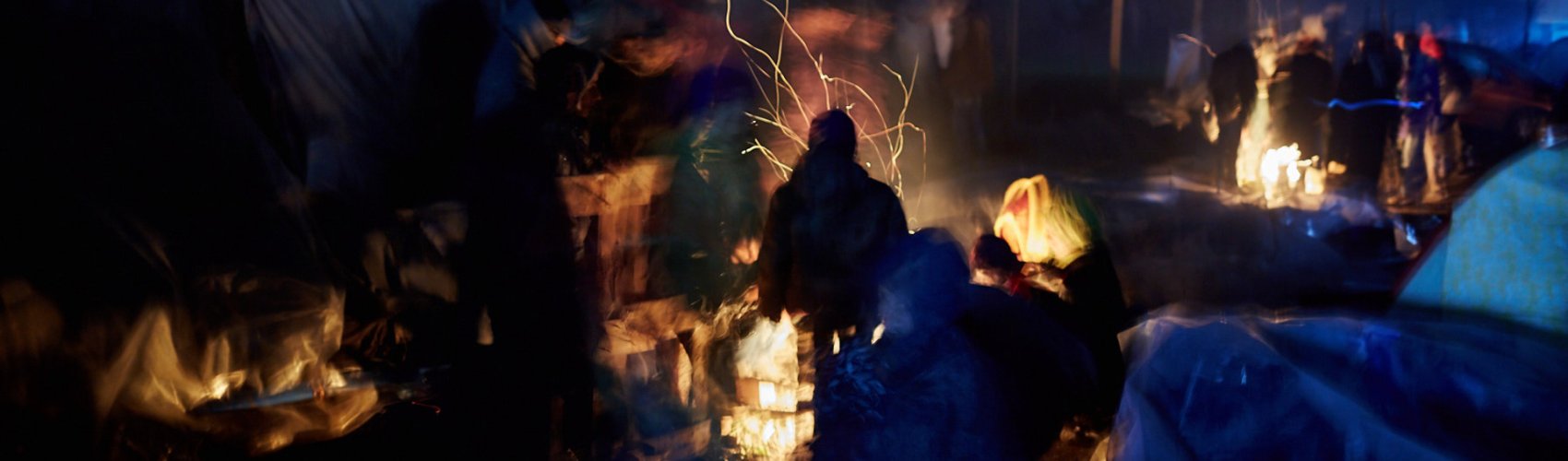
The Idomeni refugee camp in Greece has become an emblematic symbol of the ongoing refugee crisis in Europe. Located on the Greek-Macedonian border, the camp was initially designed to accommodate around 1,500 people but quickly became overcrowded as the influx of refugees and migrants continued. At its peak, the camp housed over 8,500 individuals, leading to dire conditions and a severe lack of resources. Life in Idomeni was marked by constant...

Thousands of refugees have crossed from Serbia into Croatia after being stranded in deteriorating conditions for days. The United Nations refugee agency estimates that 2,000 to 3,000 people were allowed to enter Croatia, which will likely increase the strain on neighboring Slovenia. The situation has worsened as Turkey insists it should not be expected to turn into a “concentration camp” for refugees, even if it tightens its borders...

19.10.2015, Trnovec, Slovenia/CroatiaAs the migration crisis in Europe continues, tensions rise between Austria, Slovenia, and Croatia over dealing with thousands of refugees stranded in the Balkans. The countries accuse each other of allowing migrants to cross their borders without taking responsibility. Slovenia has limited the number of refugees allowed to cross from Croatia, claiming Germany and Austria are also reducing the numbers they...

The Röszke Horgos refugee camp, located on the Hungarian-Serbian border, has become a stark representation of the ongoing refugee crisis in Europe. As the influx of refugees and migrants continues, camps like Röszke Horgos have become a focal point for the humanitarian issues faced by those fleeing war, persecution, and poverty. Established in 2015, the Röszke Horgos camp quickly gained notoriety for its appalling living conditions and the harsh...

In the summer of 2015, the area surrounding Budapest’s Keleti Railway Station became an unexpected and harrowing epicenter of the European refugee crisis. Thousands of refugees, primarily from Syria, Iraq, and Afghanistan, found themselves stranded at Keleti Station Square, transforming the area into a makeshift camp and a vivid illustration of the human toll of war and displacement. As the number of refugees arriving in Budapest surged...
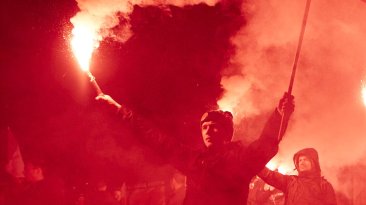
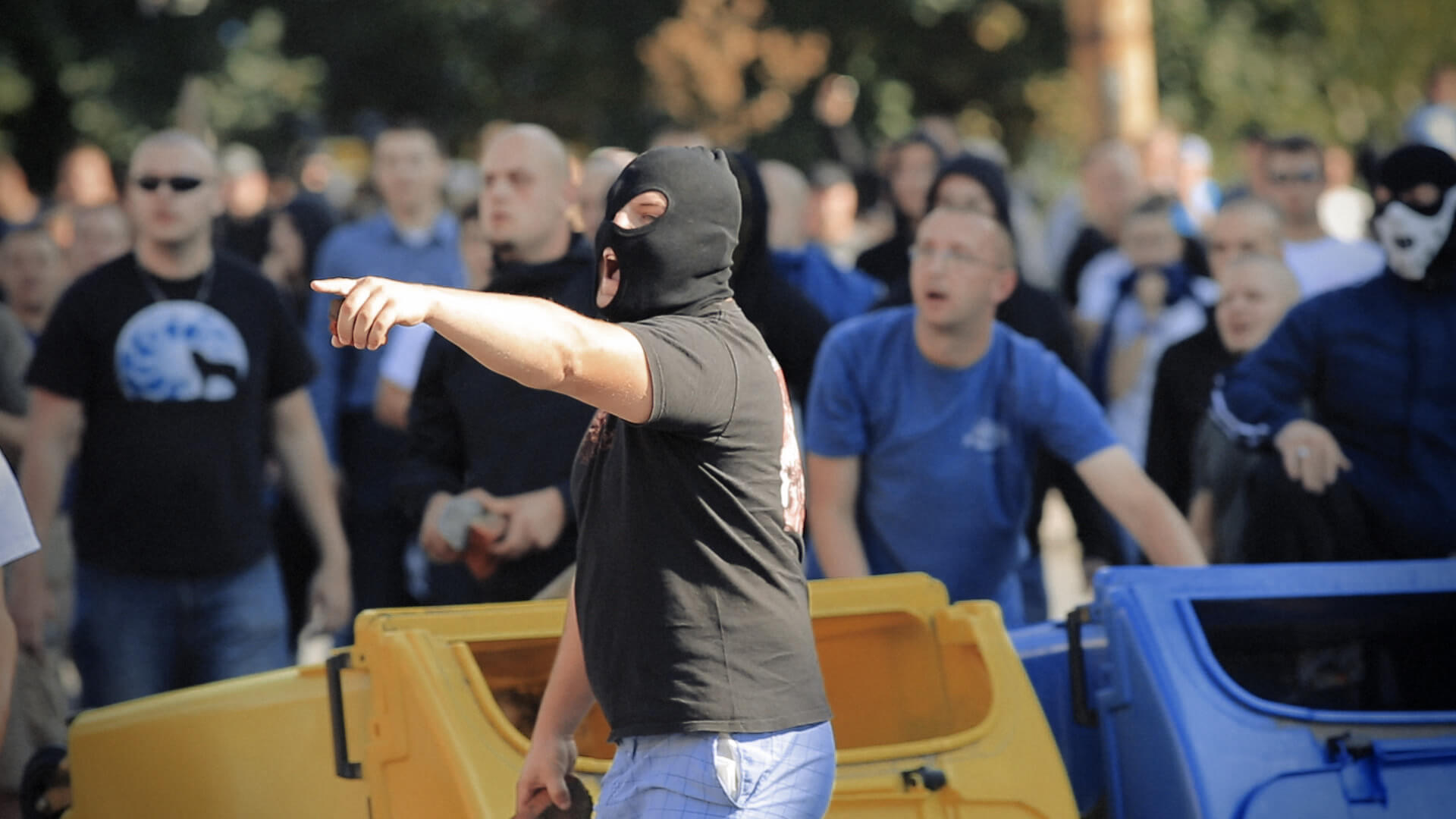
There are some issues in which, in contrast to others, most of the former SFR Yugoslavia countries are not falling behind compared to other countries of Europe. One of those issues is, of course, the new nationalism which is widespread over the whole Europe and its frequency is dependant on the country and the region in which it is manifested.As in other European post-socialist countries, right-wing politics was the most usual orientation of the...