










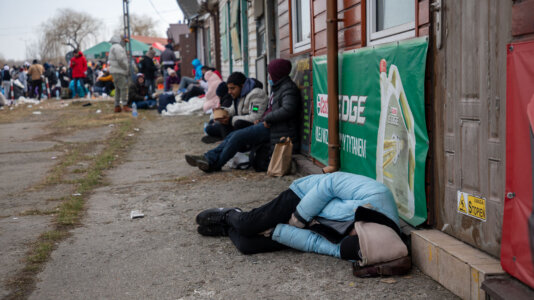
The Medyka-Shehyni border crossing has become emblematic of the humanitarian and racial complexities that emerged in the early days of the war in Ukraine. While Poland opened its borders to millions of Ukrainian refugees fleeing the Russian invasion in February 2022, the initial wave of solidarity revealed underlying racial biases and inequities in the treatment of refugees. The Humanitarian Divide During the first days of the conflict, images of long lines at the Medyka crossing were broadcast...


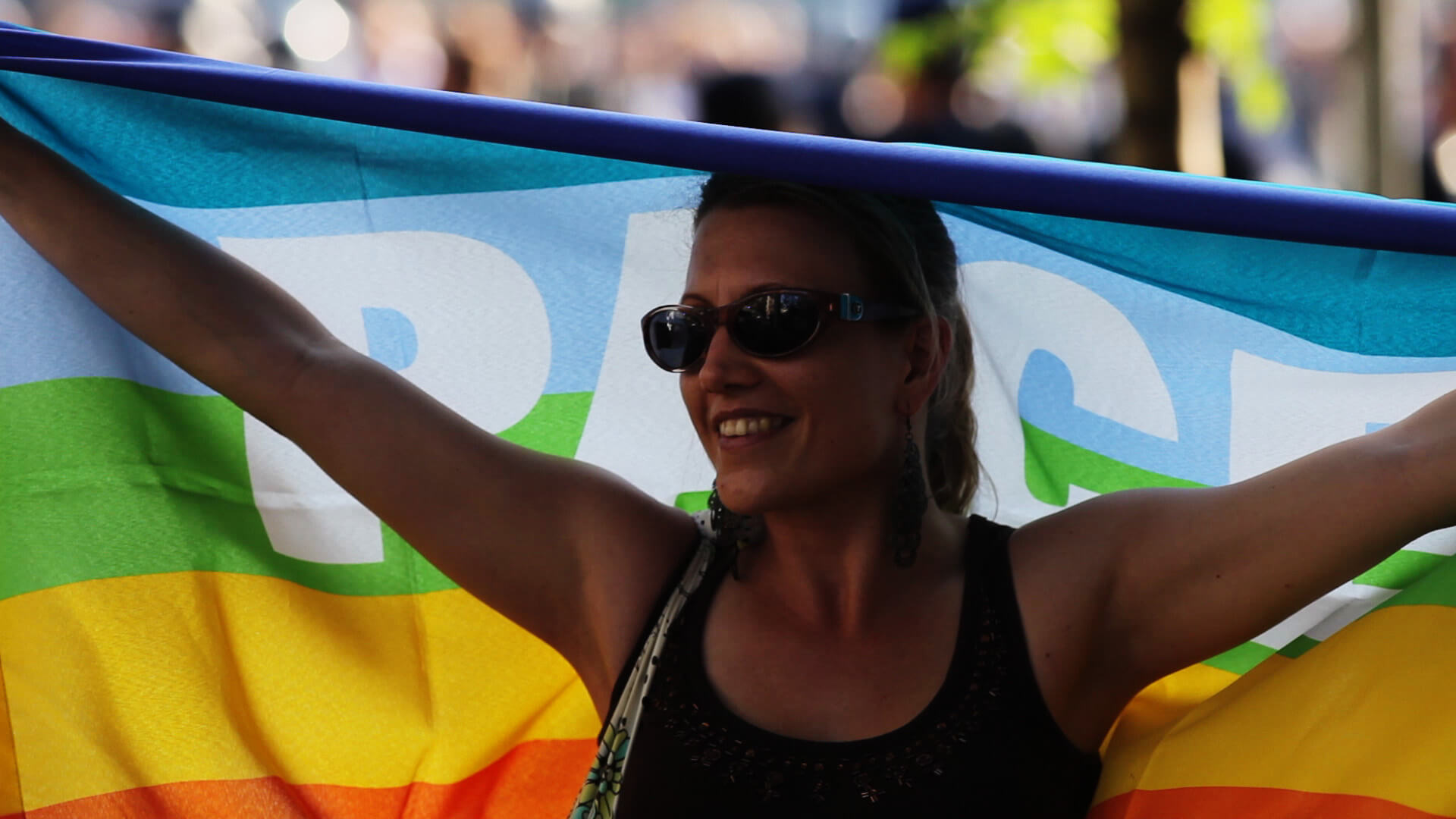
Bratislava, the capital city of Slovakia, was the site of historical first Pride Parade for the rights of LGBTQ individuals on May 22, 2010. The event was marred by violent clashes with members of the far-right extremist group, the Slovak Solidarity, who threw stones and tear gas grenades at the participants of the parade. Many of the LGBTQ individuals suffered injuries in these confrontations. The march, which began at Hviezdoslav Square in the city center, had to be rerouted to the other side...

On 30 March 2012, thousands of demonstrators gathered in front of the Sejm of the Republic of Poland for a large protest organised by the trade union NSZZ Solidarność. The demonstration was a response to the government’s plan to raise the retirement age to 67, which the union opposed as socially unjust and harmful to workers. The rally brought together members of Solidarność from across the country, along with representatives of other labour and civic organisations. The protest also received...

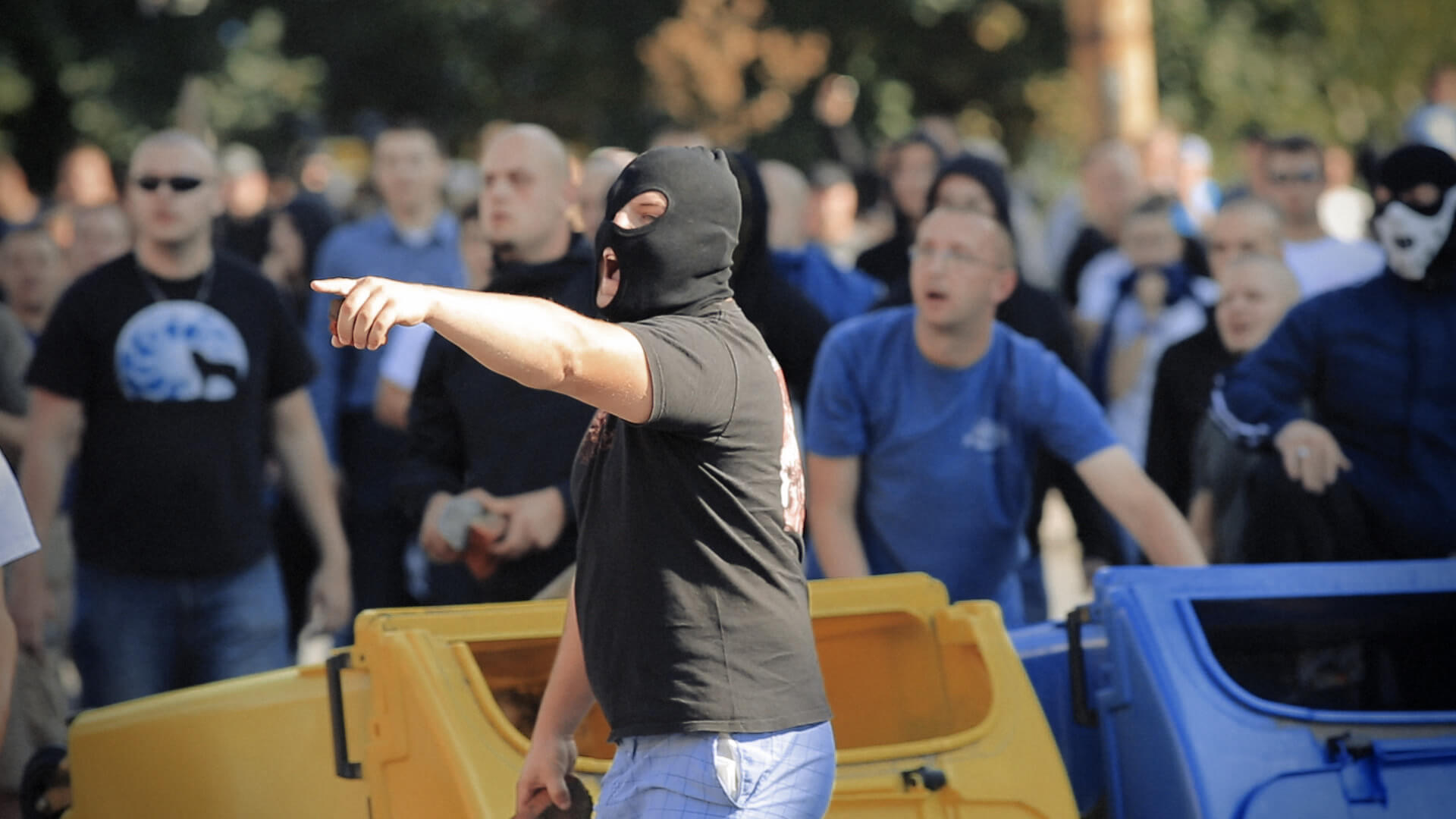
In 2010, the Czech city of Brno became a symbolic site of civic resistance against the growing activity of the far-right Workers’ Party of Social Justice (DSSS). The extremist group, successor to the banned neo-Nazi Workers’ Party, announced a public rally in Brno only months after one of the most shocking racist crimes in the country — the arson attack in Vítkov (April 2009), in which a two-year-old Romani girl, Natálka Kudriková, suffered life-threatening burns when neo-Nazis threw Molotov...

Germany/Austria, Refugees
V33: “Refugees Are Welcome Here” Demonstration for Solidarity and Human Dignity in Berlin
On 21 June 2015, thousands of people gathered in the centre of Berlin to mark World Refugee Day with a peaceful march under the slogan “Refugees Are Welcome Here.” The demonstration began in the multicultural district of Kreuzberg and continued toward the Brandenburg Gate, filling the streets with banners, music, and messages of support for people fleeing war, violence, and poverty. Participants called for open borders, the protection of human rights, and an end to deportations. The march...

On September 29, 2012, promoters of the far-right People’s Party Our Slovakia (Ľudová strana Naše Slovensko – LSNS) are planning an event to “clean up” the Romani settlement in Krásná Hôrka, Slovakia. The party is inviting people to attend the event through social networks and its website, claiming that more than 300 people might participate. Marián Kotleba, the party’s leading candidate, has requested the Slovak State Police to coordinate the event. Kotleba recently...
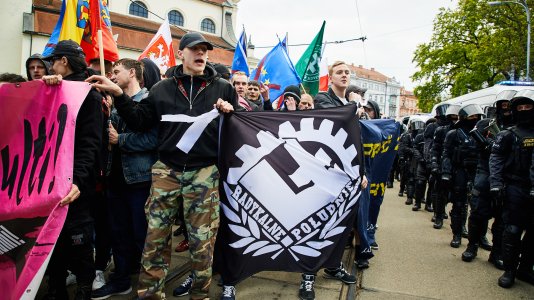
01.05.2017 Brno residents are not planning to block the 1 May march by the ultra-right convened by the Workers’ Youth this year. Instead, they are calling on people through Facebook to organize creative, entertaining, non-violent activities in the city center on 1 May under the slogan “You can’t salute the Nazis if you’re having a good time” (“Kdo si hraje, nehajluje”). In recent years, 1 May in Brno has repeatedly become a scene of neo-Nazi provocation...
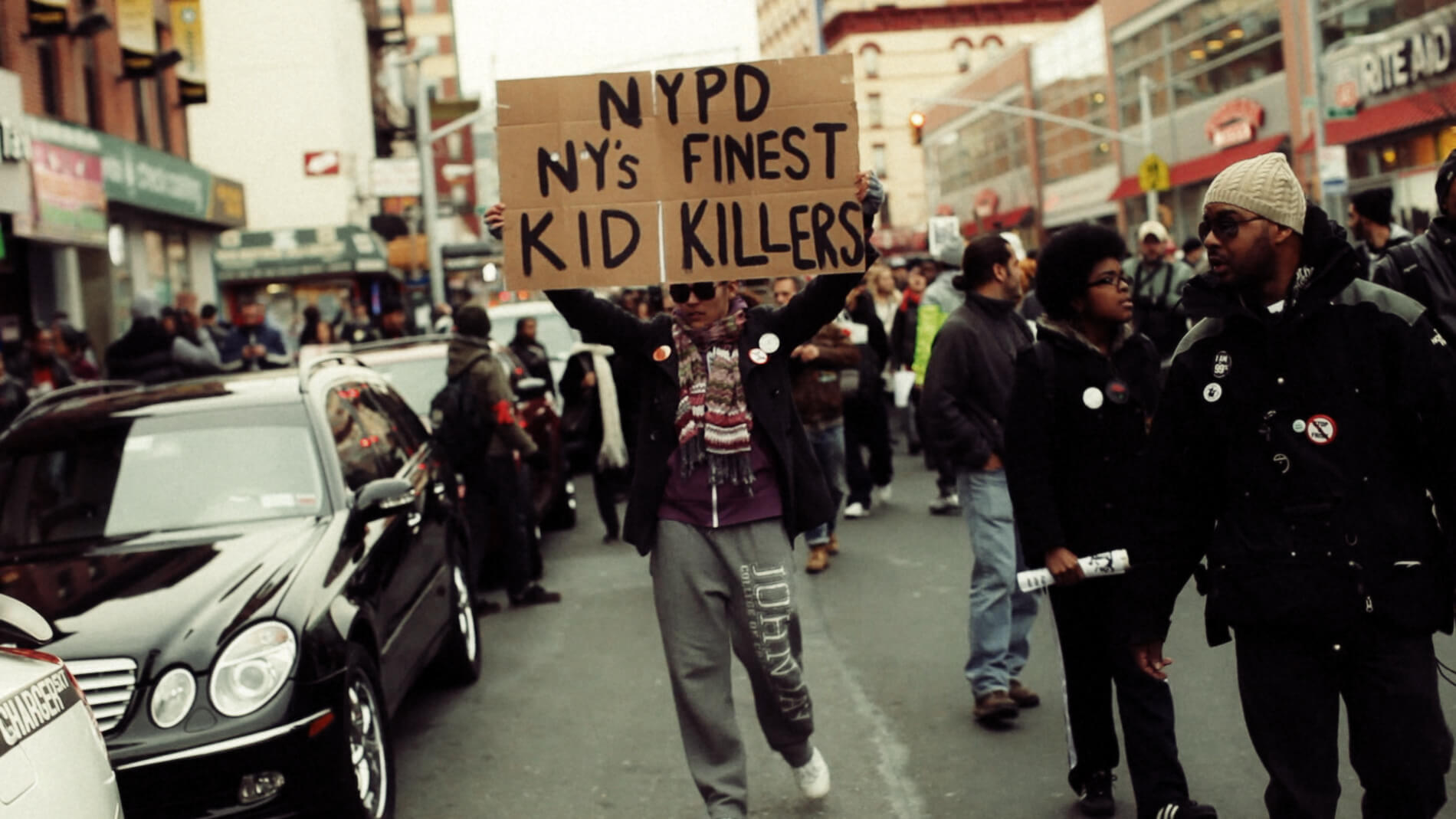
Bronx, New York, USA, 4.2.2012. New yorkers rallied and marched in the Bronx to protest the beating of Jatiek Reed by four NYPD police officers and the murder of Rahmarley Graham by another NYPD police officer. Today was also the 13th anniversary of the NYPD murder of Amadou Diallo. On Thursday, January 26th, Jatiek Reed, 19, was beaten by Sgt. Mervin Montalban and Officers Alfonsina Delacruz, Jodi Brown and Robert Jaquez and arrested on false charges. Jatiek is now being held at Rikers Island...
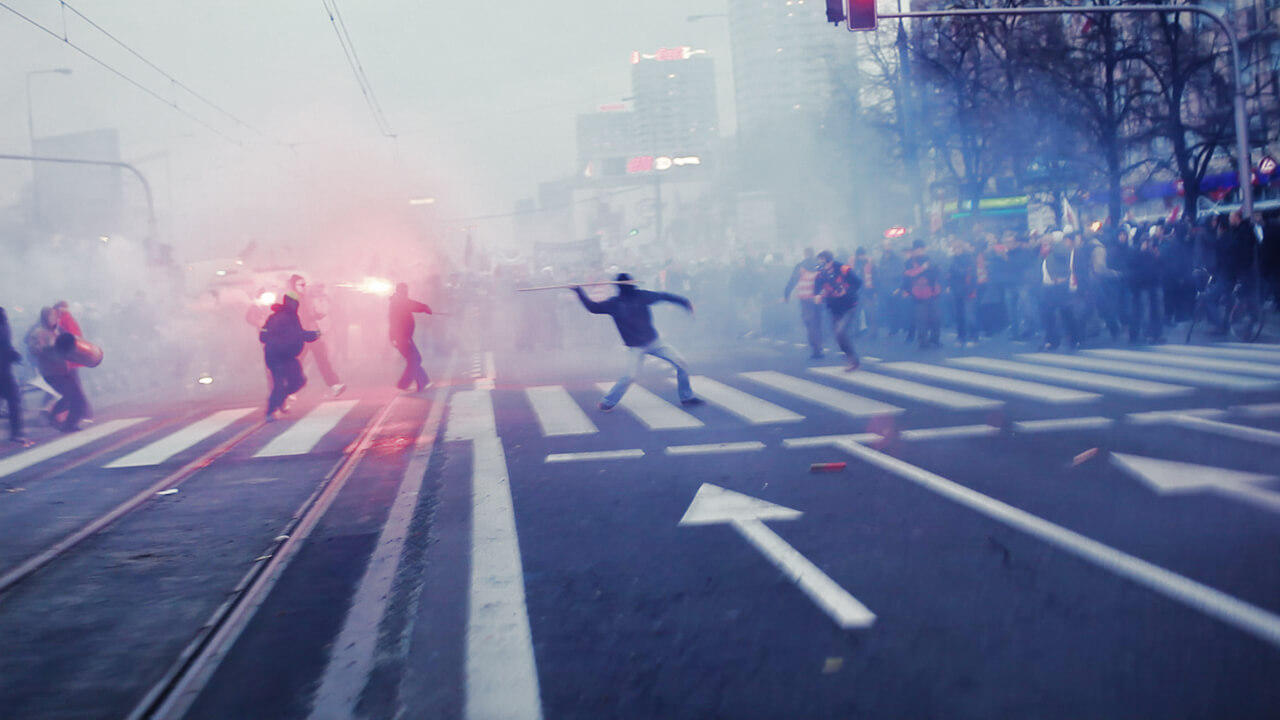
On November 11th, 2012, Poland celebrated its Independence Day, but the celebrations were overshadowed by a controversial march known as the Marsz Niepodleglosci (March of Independence). The march was organized by far-right groups, and it attracted thousands of participants, many of whom espoused nationalist and anti-Semitic views. The march began peacefully, with participants carrying Polish flags and chanting slogans in support of their country. However, as the march progressed, tensions...

Berlin Wedding, Germany, 30th April 2012 7,000 police officers were deployed on Monday and Tuesday to keep the demonstrations under control. Traditionally, the violent “anticapitalist Walpurgis Night demo” has passed through Friedrichshain and Prenzlauer Berg. This time, it was unexpectedly relocated to the Sprengelkiez and Brüsseler Kiez in Wedding, an area between the Wedding S-Bahn station, the northern shore of the Berlin-Spandauer Shipping Canal, and See- and Müllerstraße. This...
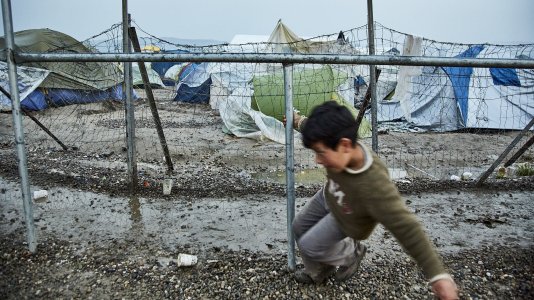
The Idomeni refugee camp in Greece has become an emblematic symbol of the ongoing refugee crisis in Europe. Located on the Greek-Macedonian border, the camp was initially designed to accommodate around 1,500 people but quickly became overcrowded as the influx of refugees and migrants continued. At its peak, the camp housed over 8,500 individuals, leading to dire conditions and a severe lack of resources. Life in Idomeni was marked by constant struggle and uncertainty. With limited access to...

The Röszke Horgos refugee camp, located on the Hungarian-Serbian border, has become a stark representation of the ongoing refugee crisis in Europe. As the influx of refugees and migrants continues, camps like Röszke Horgos have become a focal point for the humanitarian issues faced by those fleeing war, persecution, and poverty. Established in 2015, the Röszke Horgos camp quickly gained notoriety for its appalling living conditions and the harsh treatment of its inhabitants. With limited access...