





On April 10, 2018, Warsaw witnessed what was reported as the final regular monthly commemoration (the “miesięcznica”) of the 2010 air disaster near Smolensk. The ceremony took place on Krakowskie Przedmieście in front of the Presidential Palace, where families of the victims and political figures gathered to mark eight years since the tragedy.
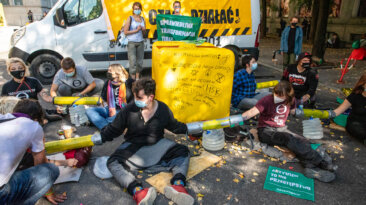
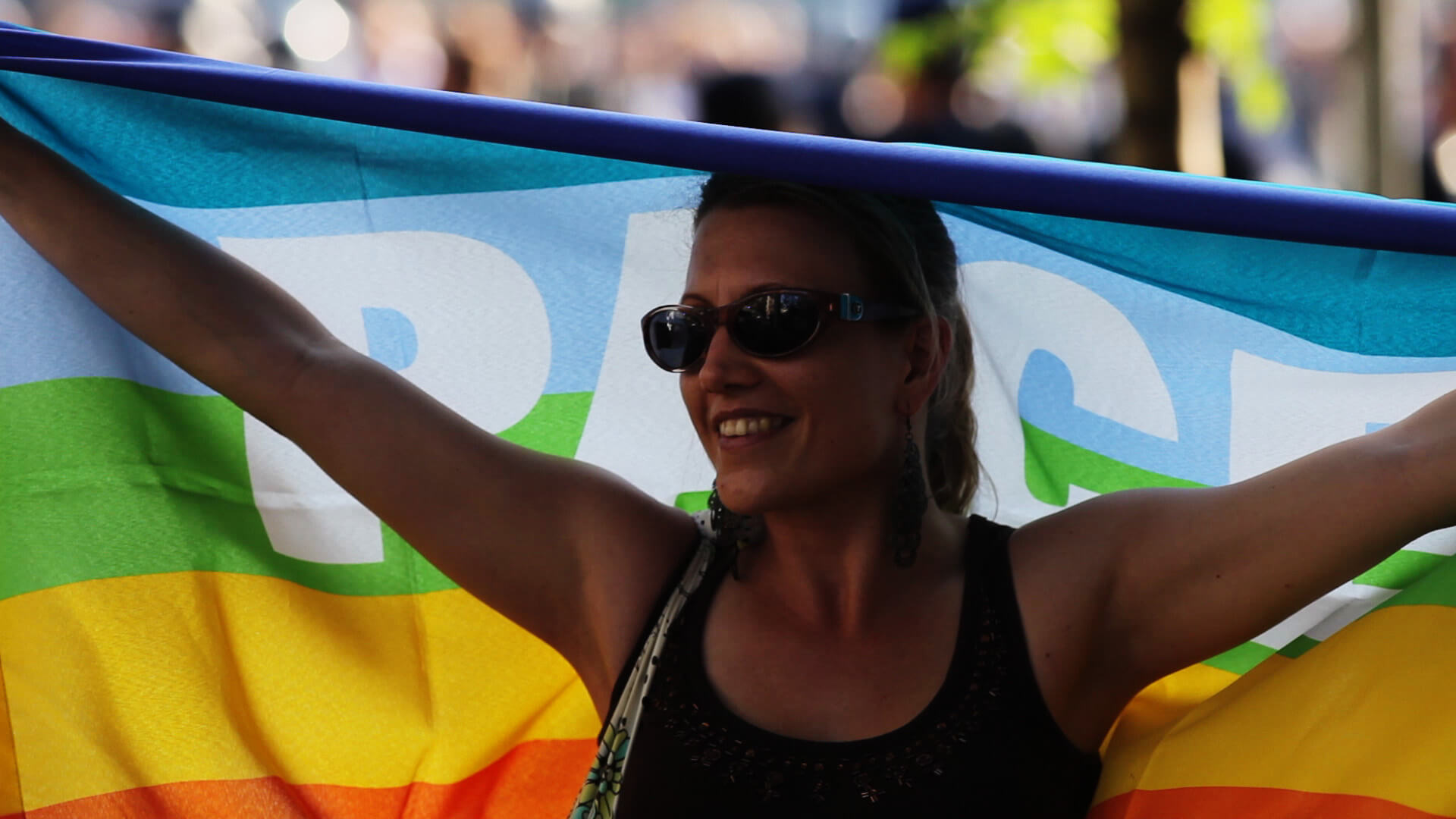
At the same time, Obywatele RP organised a counter-gathering nearby, carrying white roses, national flags, and banners. Their message emphasised civil rights, freedom of assembly, and opposition to what they viewed as the ritualisation and political exploitation of the Smolensk memorial events. Many participants held the view that the monthly protests and marches had outlived their original memorial purpose.
Security measures were visible: metal barriers cordoned off sections of the street, police officers maintained a presence between the official commemoration and the counter-demonstration, ensuring no direct clashes occurred. According to civic media, this April gathering marked a turning point—the monthly format of the commemoration was to be replaced by an annual event, rather than monthly protests.
For Obywatele RP, the day represented both a protest and a symbolic achievement: by framing the change in format as their “victory”, they signalled a shift in Poland’s public-space politics of memory. The official side, meanwhile, reaffirmed the continued importance of remembrance for the Smolensk victims.
The April 10 event, therefore, stood at the intersection of memory, politics, and civil society: marking both an ending – the last of the regular “10th-of-the-month” gatherings – and a new phase in how the Smolensk catastrophe was publicly commemorated and contested in Warsaw.