



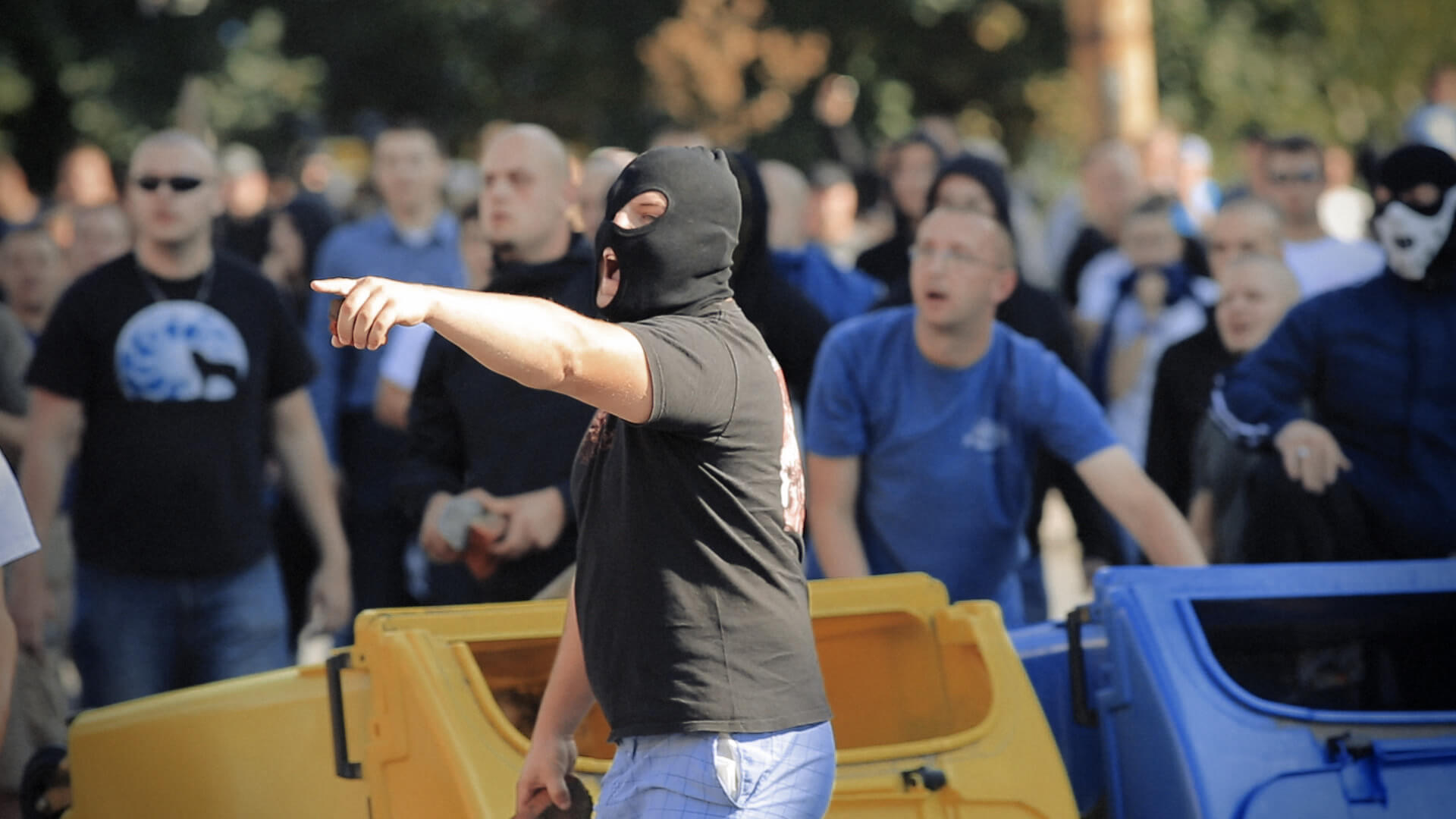


In 2010, the Czech city of Brno became a symbolic site of civic resistance against the growing activity of the far-right Workers’ Party of Social Justice (DSSS). The extremist group, successor to the banned neo-Nazi Workers’ Party, announced a public rally in Brno only months after one of the most shocking racist crimes in the country — the arson attack in Vítkov (April 2009), in which a two-year-old Romani girl, Natálka Kudriková, suffered life-threatening burns when neo-Nazis threw Molotov cocktails into her family’s home.
The Brno demonstration was planned near the Cejl district, an area with a high concentration of Romani residents. The location itself was seen by many as a deliberate provocation, chosen to intimidate the local community. In response, a broad civic initiative called “Brno Blokuje” (Brno Blocks) mobilized hundreds of residents, students, and activists to prevent the far-right march from entering the neighborhood.
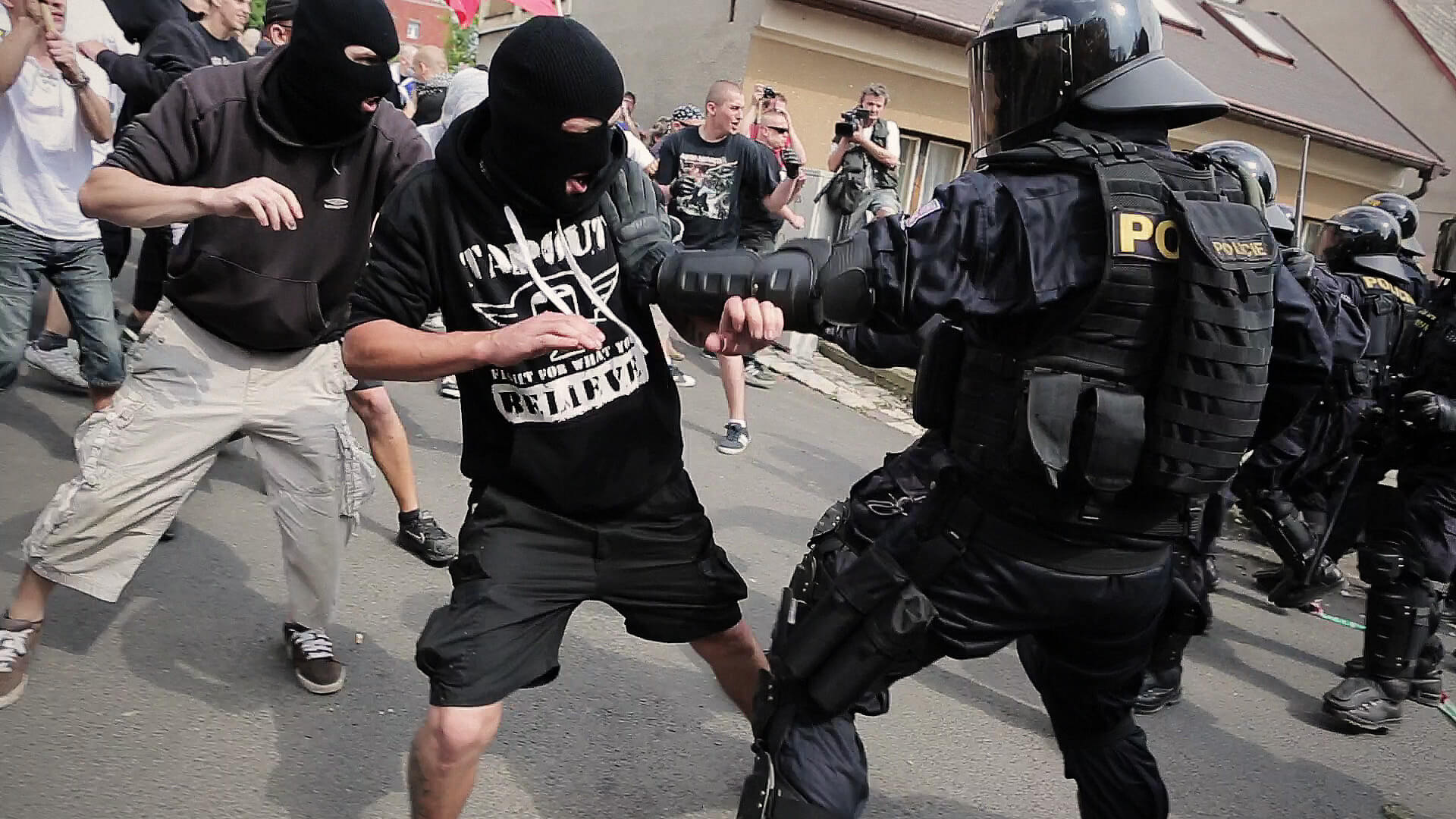
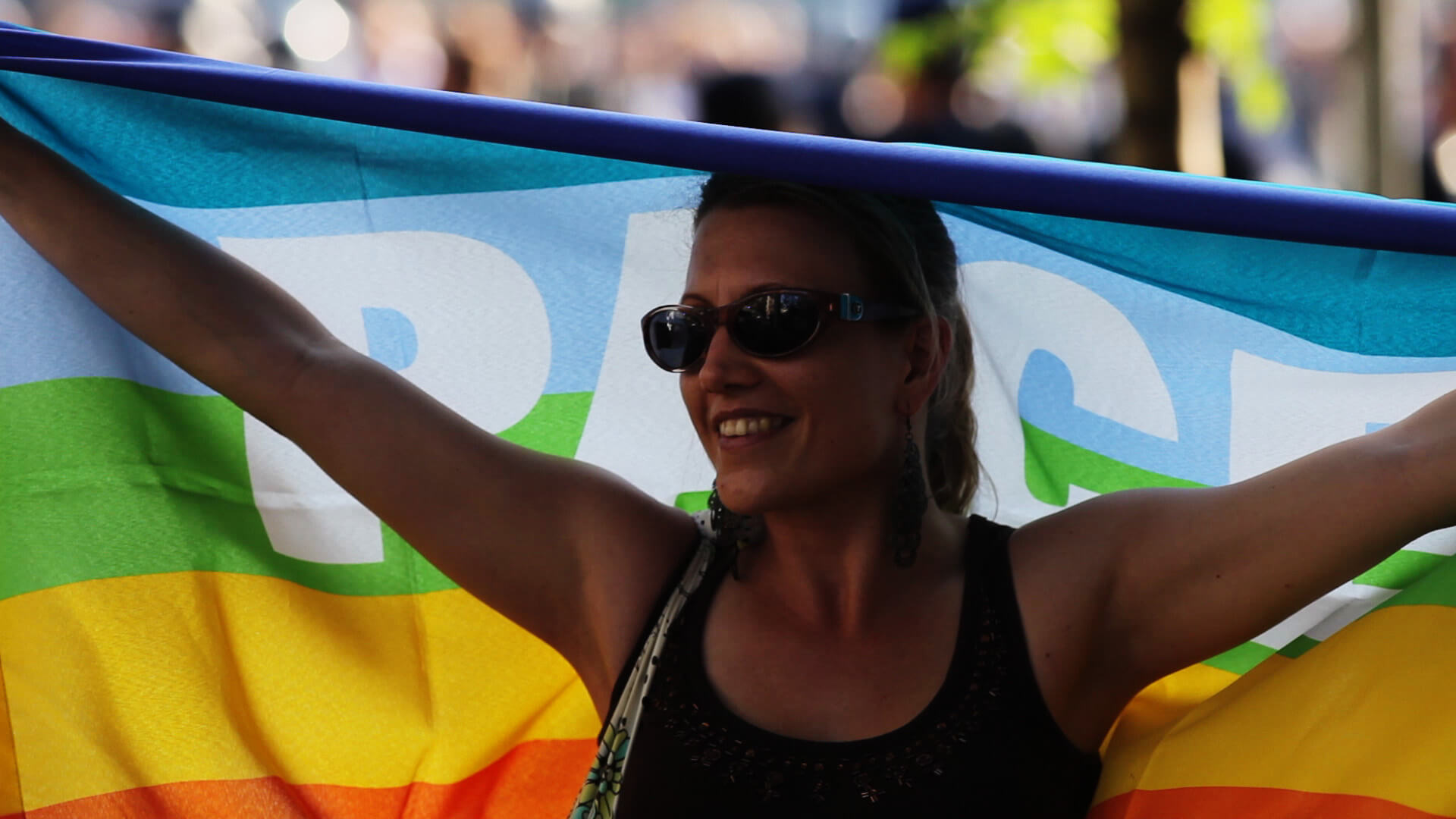
On the day of the protest, the streets around Cejl filled with people carrying banners reading “Brno is not afraid,” “No to racism,” and “Nazism will not pass.” Demonstrators formed a human blockade, sitting on the road and linking arms to prevent DSSS supporters from advancing. The atmosphere was tense but largely non-violent. Police officers kept the two groups apart and eventually redirected the extremist march to avoid direct confrontation.
“Brno Blokuje” represented a new form of civic self-organization that opposed racism not through party politics, but through direct, peaceful presence in public space. Many of its participants were young people, teachers, artists, and residents of Brno who believed that silence in the face of hate would mean complicity. Their action received wide media coverage and inspired similar anti-fascist coalitions in other Czech cities such as Ostrava and Ústí nad Labem.
The DSSS rally in Brno in 2010 thus became more than a local incident — it was part of a broader struggle between extremist nationalism and civic solidarity. The memory of Natálka’s suffering gave the protest deep emotional resonance. For many, it was not only about rejecting neo-Nazism but also about standing up for the dignity and safety of the Romani minority.
The “Brno Blokuje” movement continued its activities in the following years, repeatedly mobilizing against extremist gatherings in socially vulnerable areas. Its actions became an important chapter in the story of how ordinary citizens in the Czech Republic defended democratic values and human rights in the face of hatred and fear.