






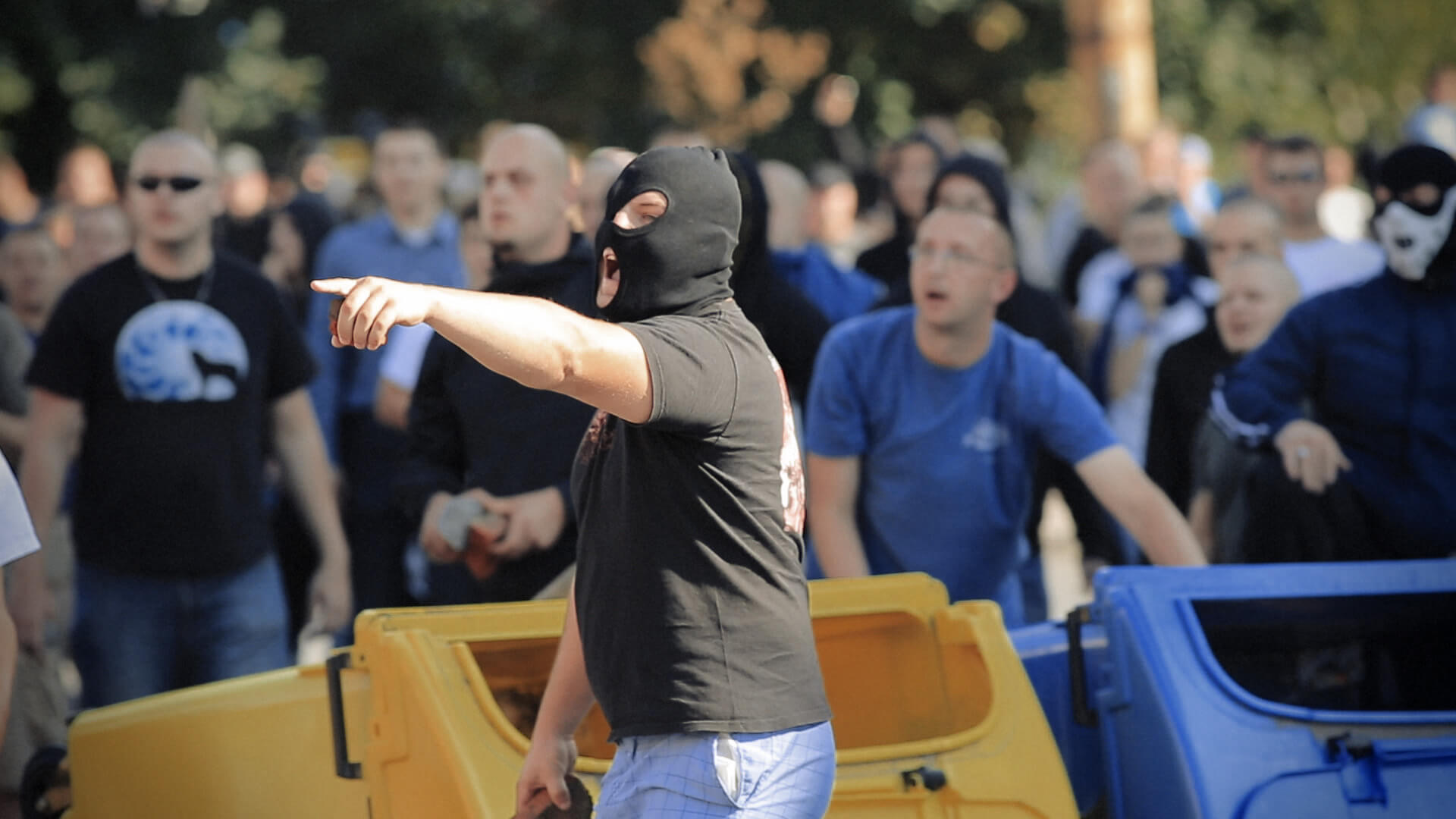




During the summer of 2013, the Czech Republic saw a wave of far-right rallies against the Roma people. These rallies were sparked by a violent incident at a swimming pool in the town of Dubí, where a group of Roma individuals allegedly attacked a non-Roma woman who had confronted a young Roma boy for splashing water. The incident was widely reported in the media and quickly became a topic of debate in Czech society. On June 24th, 2013, anti-Roma demonstrators gathered in several cities across...
The New Nationalism at the Heart of Europe is a large photo and video-art project, in which Tomáš Rafa maps the public manifestations of nationalism, extreme right, racism and lack of tolerance in different countries. Since 2009, the artist documents meetings of radical and revolutionary groups, but also the anti-government and anti-extremist demonstrations, marches and supporting events for the rights of the minorities or clashes of anti-Fascists with supporters of ultra right movements. read more
Czech republic, Racism
V61: March of far-rights (Polish and Czech hooligans) against Roma people in Ostrava

Prague, Czech republic, 15.3.2012 In a wave of public discontent, citizens across Czech cities, including Prague and Brno, have taken to the streets to express their dissatisfaction with the current government. The demonstrations, organized by grassroots movements, spotlight concerns about corruption, economic inequality, and environmental policies. These diverse protesters, united by their shared frustration, demand a more responsive and accountable political system. While government officials...
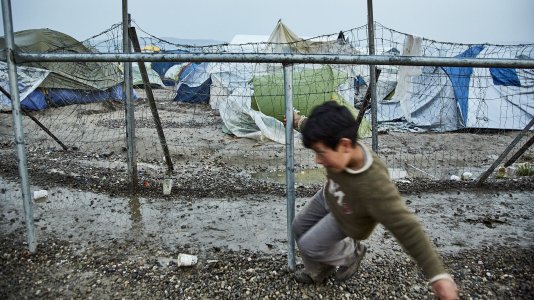
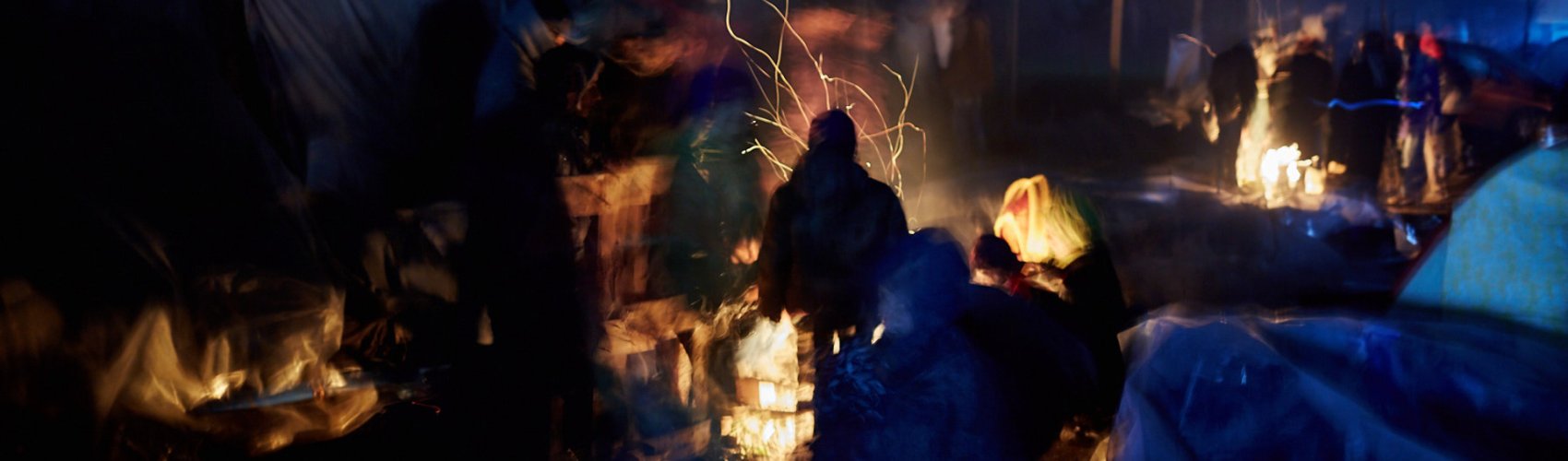
The Idomeni refugee camp in Greece has become an emblematic symbol of the ongoing refugee crisis in Europe. Located on the Greek-Macedonian border, the camp was initially designed to accommodate around 1,500 people but quickly became overcrowded as the influx of refugees and migrants continued. At its peak, the camp housed over 8,500 individuals, leading to dire conditions and a severe lack of resources. Life in Idomeni was marked by constant struggle and uncertainty. With limited access to...

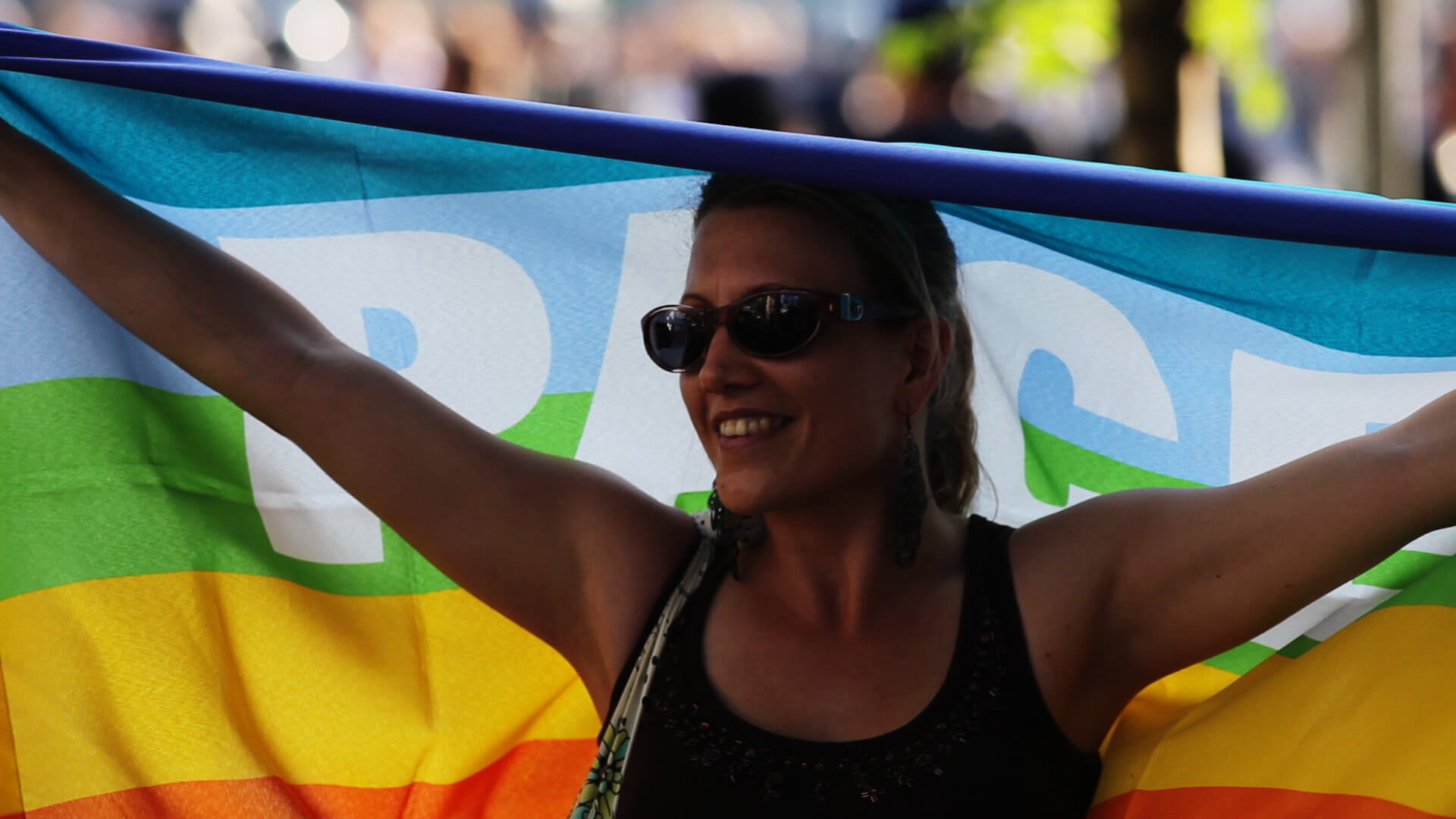
On June 2nd, 2012, Warsaw was the site of the annual Queer Parade, also known as the Equality Parade, for the rights of the LGBTQ community. The event attracted thousands of participants, including members of the LGBTQ community, allies, and supporters. The Queer Parade is an important event in Poland, where LGBTQ individuals often face discrimination and hostility. The organizers of the parade believe that every individual has the right to express their sexuality and gender identity without...
On February 13th, 2013, more than 10,000 anti-fascist activists formed a human chain in downtown Dresden to protest against neo-Nazi marches on the 68th anniversary of the WWII bombing that destroyed the city. The demonstration marked a symbolic gesture against the right-wing extremist groups. Although thousands of participants formed a human chain, no clashes were reported with the participants of the planned parallel neo-Nazi rally. Approximately 3,000 police had been deployed earlier in the...

On 18 June 2011, Budapest hosted one of its most significant LGBTQ events to date – the Queer Parade, organised as part of the 16th annual Budapest Pride festival. The march followed months of legal uncertainty after police attempted to block the planned extended route. A Budapest court later overturned the restriction, calling it a violation of the right to peaceful assembly and allowing the organisers, the Rainbow Mission Foundation, to proceed with the event. Thousands of participants...

On 11 November 2013, Warsaw once again witnessed the Marsz Niepodległości (Independence March), one of Europe’s largest far-right gatherings. Under the slogan Idzie nowe pokolenie! (“A new generation is coming!”), the organisers—Młodzież Wszechpolska and ONR—presented the event as the symbolic rise of a renewed nationalist youth. Tens of thousands joined the march, filling the city centre with Polish flags, flares and chants calling for national sovereignty and cultural purity. Although framed...

On November 11, 2024, thousands of participants once again took part in the annual Marsz Niepodległości (Independence March) in Warsaw. Organized by nationalist associations and supported by far-right leaders such as Robert Bąkiewicz, the march followed its traditional route through the capital, accompanied by Polish flags, patriotic slogans, and banners. As in previous years, the event was controversial. Critics highlighted the presence of extremist groups and xenophobic symbols, warning that...
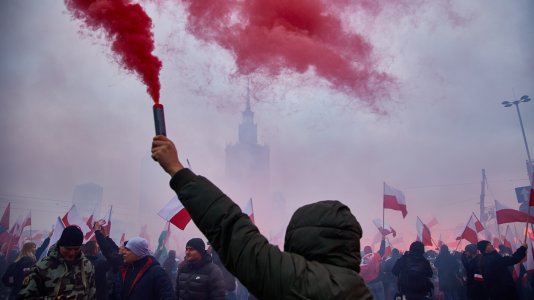
On November 11th, 2016, Poland celebrated its Independence Day, but the day was marred by controversy over the Marsz Niepodleglosci (March of Independence) organized by far-right groups. The march attracted tens of thousands of participants, many of whom carried banners with slogans promoting nationalism and anti-immigrant sentiment. The march began peacefully, but as it progressed, tensions rose, and there were reports of violence and hate speech. Far-right groups clashed with counter...
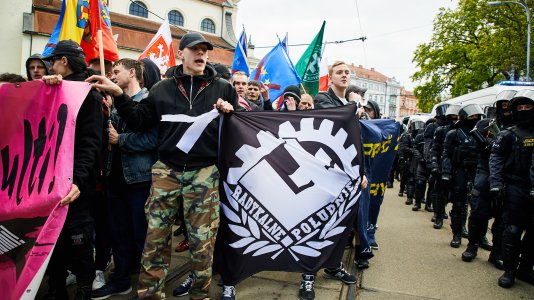
01.05.2017 Brno residents are not planning to block the 1 May march by the ultra-right convened by the Workers’ Youth this year. Instead, they are calling on people through Facebook to organize creative, entertaining, non-violent activities in the city center on 1 May under the slogan “You can’t salute the Nazis if you’re having a good time” (“Kdo si hraje, nehajluje”). In recent years, 1 May in Brno has repeatedly become a scene of neo-Nazi provocation...
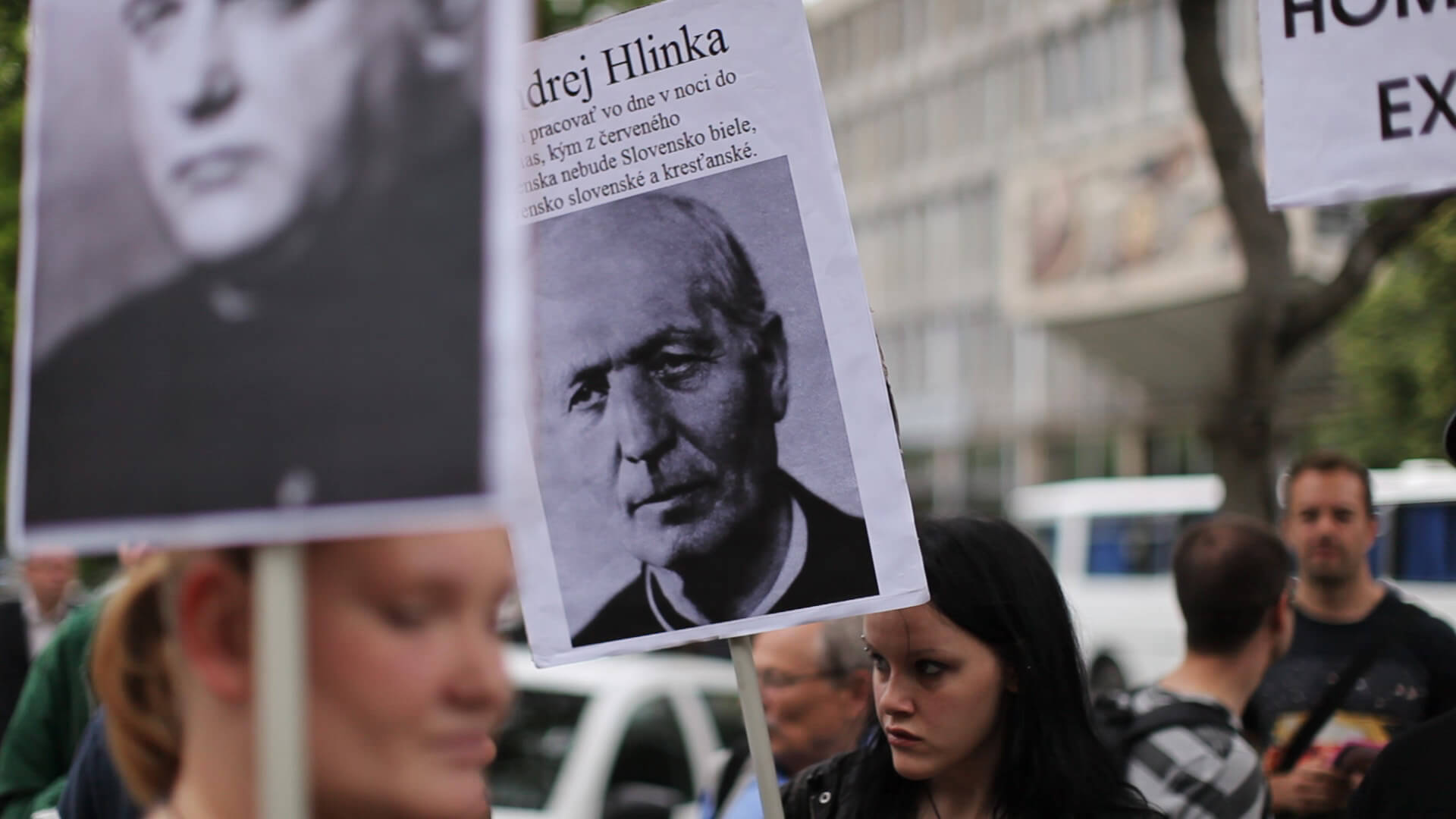
On June 9, 2012, Bratislava celebrated its third annual Dúhový (Rainbow) Pride parade. Members of the international community expressed their moral and practical support for the parade organizers and participants. The event aimed to raise awareness of the lesbian, gay, bisexual, and transgender (LGBT) community in the Slovak Republic and promote their human rights. As citizens of the European Union, the LGBT community in Slovakia enjoys legal guarantees under the Charter of Fundamental Rights...
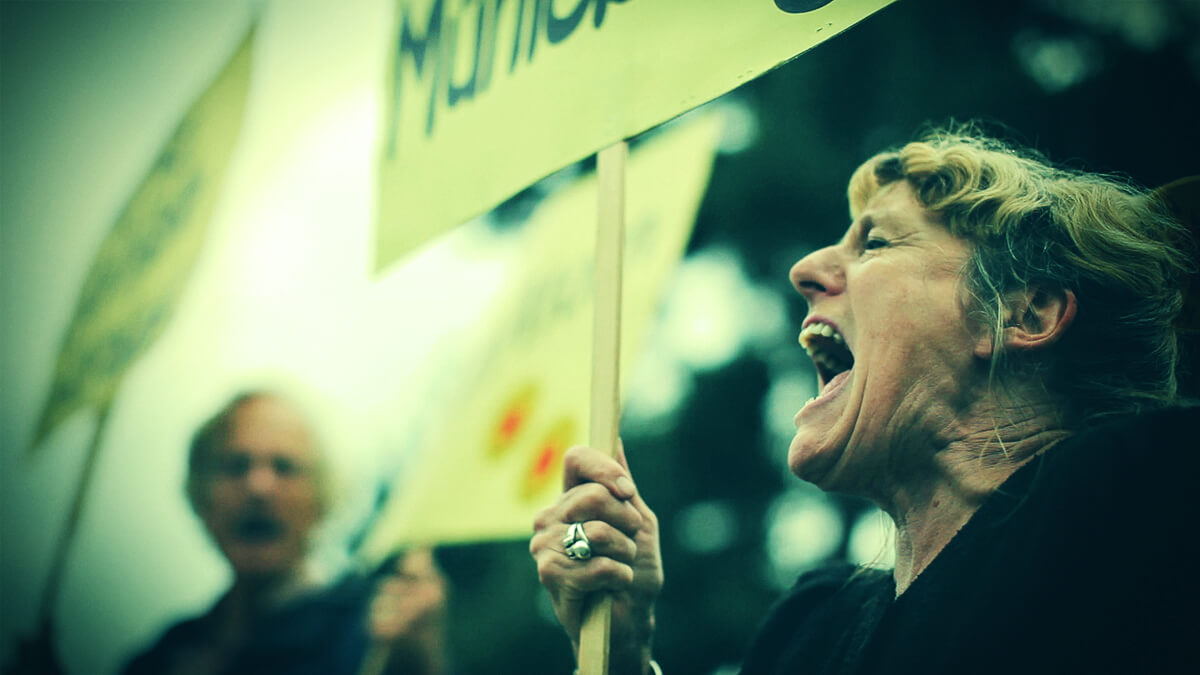
Mühleberg (Switzerland), 4.9.2011. Sie führte 12 Männer und 14 Frauen weg, die beim Wasserkraftwerk die Strasse Richtung AKW versperrt hatten. Die Teilnehmenden leisteten beim Polizei-Einsatz nach übereinstimmenden Berichten von Aktivisten und Polizei keinen Widerstand. Die Aktivisten wurden nach einer Befragung wieder auf freien Fuss gesetzt. Sie werden verzeigt wegen Störung des öffentlichen Verkehrs, Ungehorsams gegen eine amtliche Verfügung und wegen Störung von Betrieben, die der...