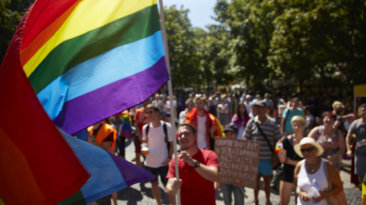







On October 18, 2021, hundreds of people gathered in front of the National Council in Bratislava to defend women’s reproductive rights. The demonstration, held under the slogan “Nebudeme ticho” (We Will Not Be Silent), responded to a new parliamentary proposal that sought to restrict access to abortion and impose additional barriers on women seeking reproductive healthcare.
Organized by feminist and human rights initiatives, the event brought together activists, students, artists, and civic organizations from across Slovakia. Protesters carried banners reading “My Body, My Choice,” “Stop Fascism,” “We Will Not Be Silent,” and “Hands Off Our Rights.” The atmosphere was calm but determined, filled with speeches, songs, and chants emphasizing solidarity, autonomy, and resistance against political interference in private life.
Speakers stressed that women’s rights are a fundamental part of democracy and human dignity. “When women’s freedom is restricted, society loses its humanity,” one of the organizers told the crowd, warning against attempts to reintroduce moral control into healthcare and personal decisions. Protesters pointed out that proposed legal changes would particularly harm women from low-income backgrounds and smaller towns, where access to medical services is already limited.
The demonstration also served as a gesture of solidarity with similar movements abroad, especially with women in Poland, where restrictive abortion laws had sparked mass protests. Participants linked their cause to a wider struggle for equality and secular values in Central Europe, calling for comprehensive sexual education, access to contraception, and respect for bodily autonomy.
Banners bearing the message “Stop Fascism” connected the issue of reproductive rights with the broader defense of democracy and civil liberties. For many, the protest symbolized not only a call to protect women’s health and freedom, but also a stand against intolerance and authoritarian tendencies in public life.
The protest took place peacefully, with a strong turnout and visible civic support. In the following days, parliament narrowly rejected the proposed restrictions — a result that organizers described as a temporary but significant victory for civic activism. They emphasized, however, that the struggle for reproductive justice in Slovakia is far from over.
“We will not be silent — not today, not ever,” one participant declared as the demonstration ended. “Because silence has never protected our rights.”