






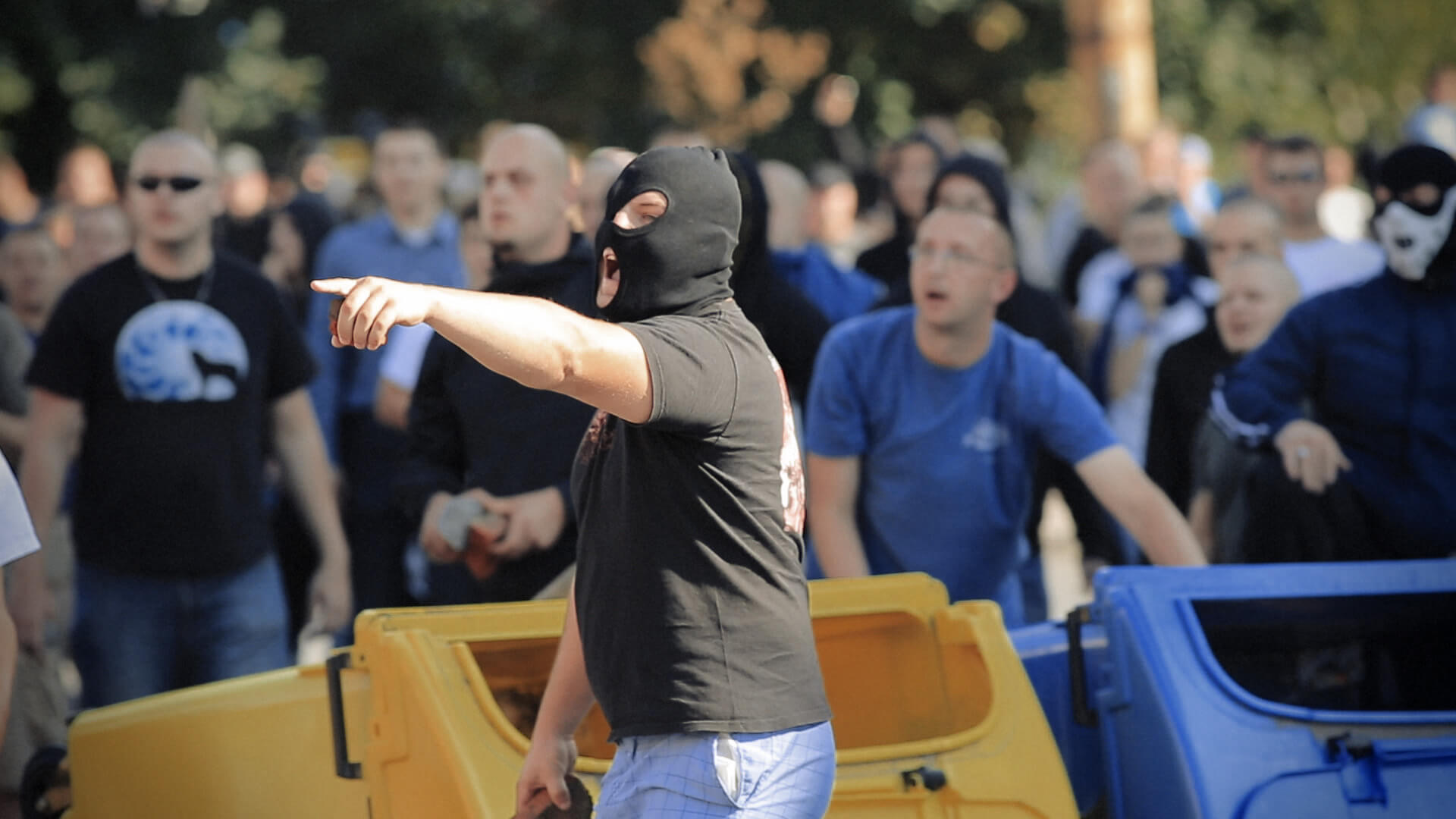




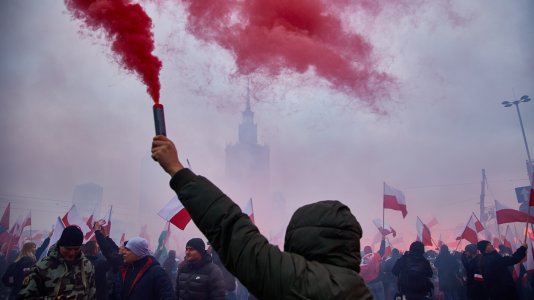
On November 11th, 2016, Poland celebrated its Independence Day, but the day was marred by controversy over the Marsz Niepodleglosci (March of Independence) organized by far-right groups. The march attracted tens of thousands of participants, many of whom carried banners with slogans promoting nationalism and anti-immigrant sentiment. The march began peacefully, but as it progressed, tensions rose, and there were reports of violence and hate speech. Far-right groups clashed with counter...
The New Nationalism at the Heart of Europe is a large photo and video-art project, in which Tomáš Rafa maps the public manifestations of nationalism, extreme right, racism and lack of tolerance in different countries. Since 2009, the artist documents meetings of radical and revolutionary groups, but also the anti-government and anti-extremist demonstrations, marches and supporting events for the rights of the minorities or clashes of anti-Fascists with supporters of ultra right movements. read more

On September 29, 2012, promoters of the far-right People’s Party Our Slovakia (Ľudová strana Naše Slovensko – LSNS) are planning an event to “clean up” the Romani settlement in Krásná Hôrka, Slovakia. The party is inviting people to attend the event through social networks and its website, claiming that more than 300 people might participate. Marián Kotleba, the party’s leading candidate, has requested the Slovak State Police to coordinate the event. Kotleba recently...
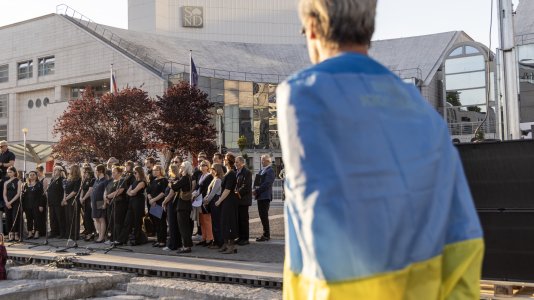
On 30 April 2025, several hundred people gathered in front of the Slovak National Theatre (SND) in Bratislava for the protest Netreba nám Netrebko (“We Don’t Need Netrebko”), organised by the platform Otvorená kultúra! (Open Culture!). The demonstration took place shortly before a gala concert by Russian soprano Anna Netrebko and expressed opposition to the theatre’s decision to invite an artist whose past relationship with Vladimir Putin and support for pro-Russian separatists had generated...
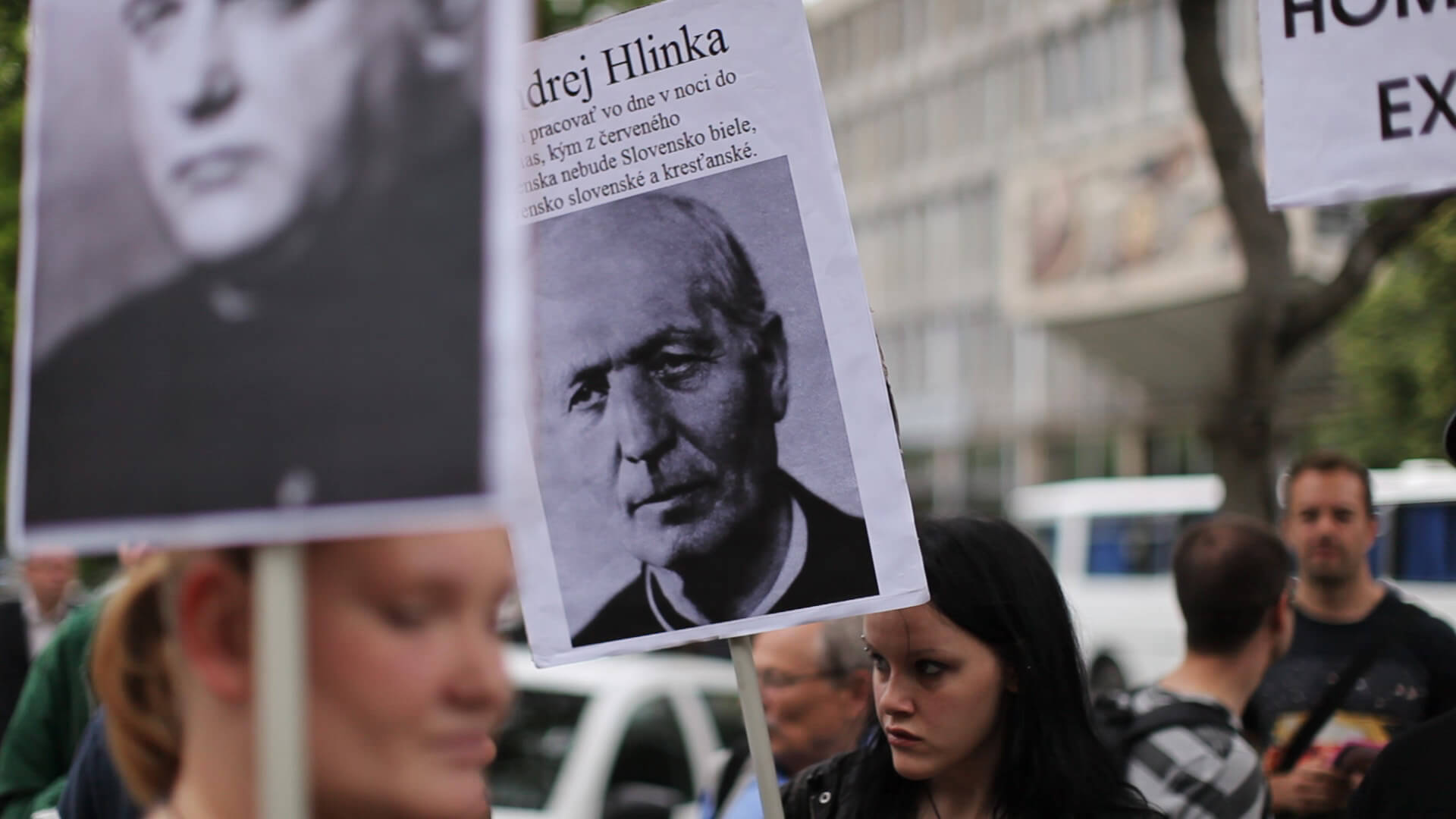
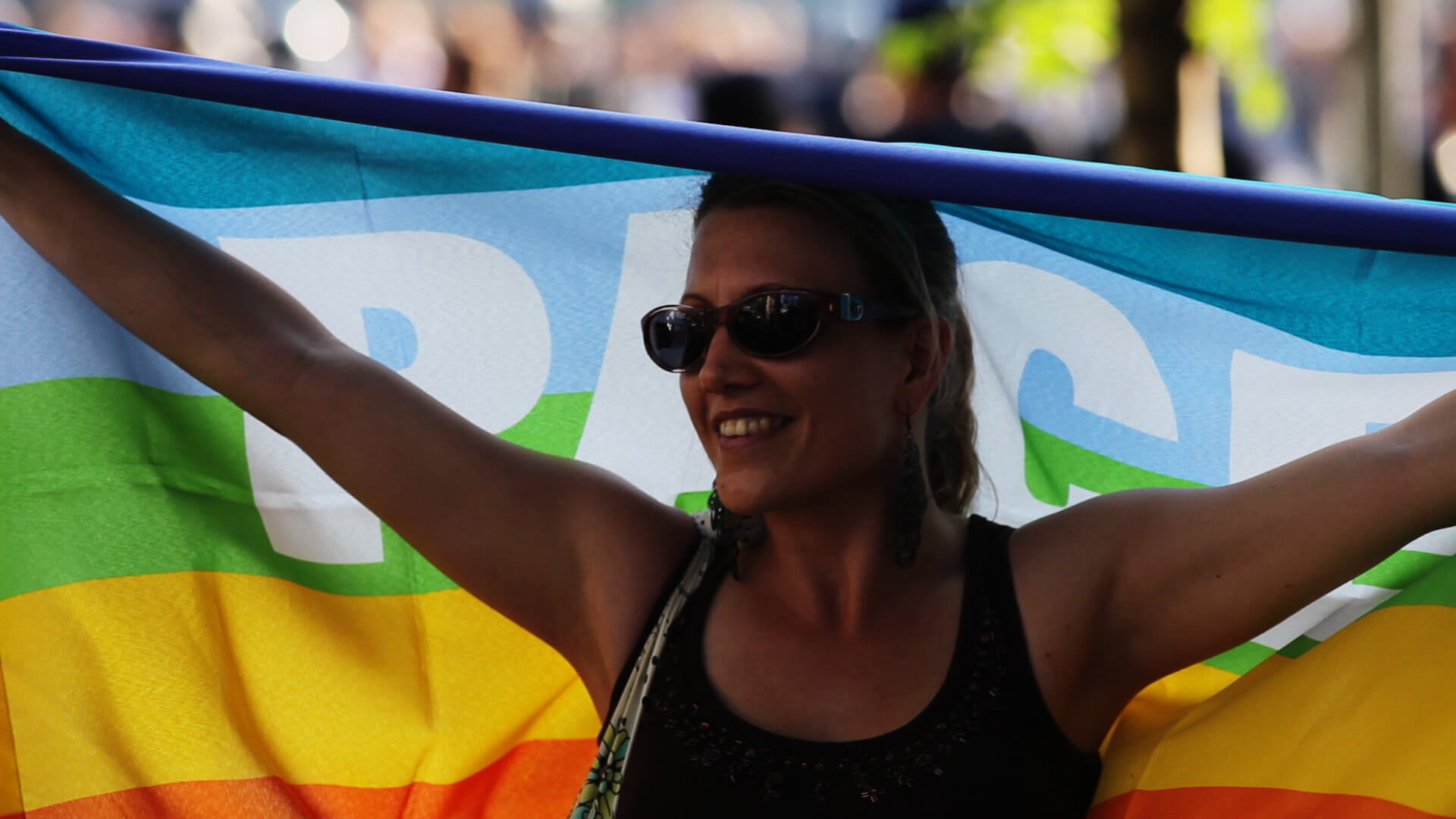
On June 9, 2012, Bratislava celebrated its third annual Dúhový (Rainbow) Pride parade. Members of the international community expressed their moral and practical support for the parade organizers and participants. The event aimed to raise awareness of the lesbian, gay, bisexual, and transgender (LGBT) community in the Slovak Republic and promote their human rights. As citizens of the European Union, the LGBT community in Slovakia enjoys legal guarantees under the Charter of Fundamental Rights...

A pre-election rally organized by far-right politician Marián Kotleba and members of his People’s Party Our Slovakia (ĽSNS) in Žilina escalated into violence on Saturday, July 11, 2015. The event, staged under an anti-immigration banner, drew several hundred participants, including sympathizers from the extremist group VZDOR Kysuce and other regional branches of the Slovak radical right. The gathering was held in Žilina’s city center as part of a series of nationalist demonstrations that...
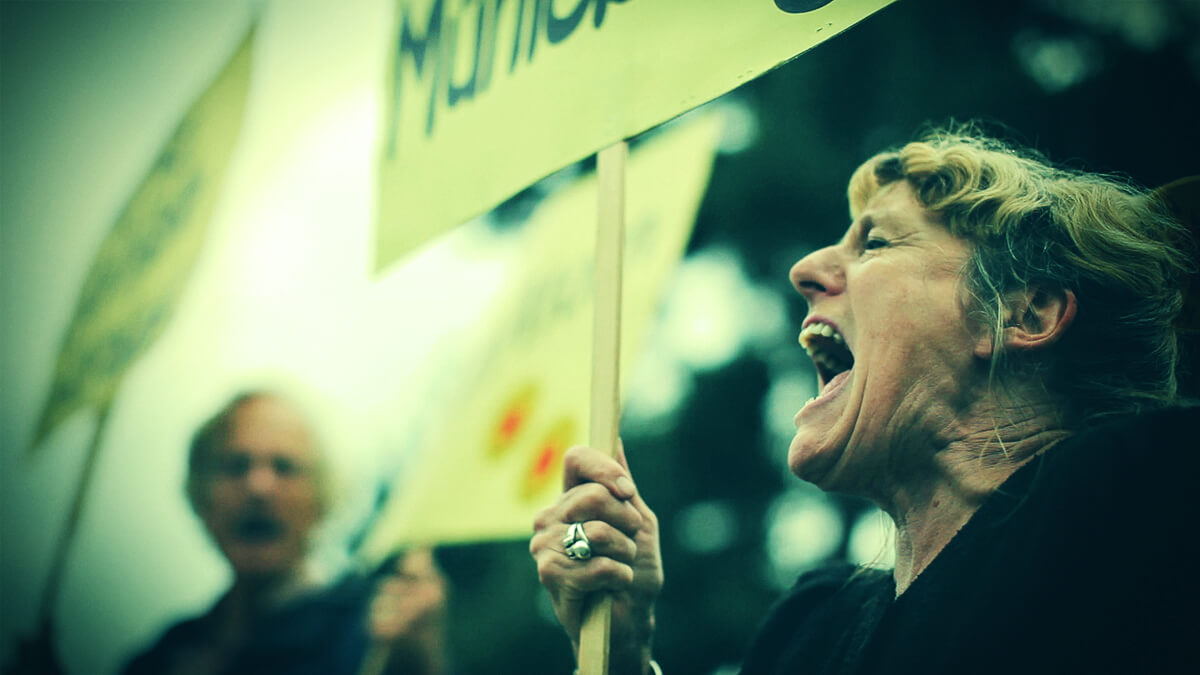
Mühleberg (Switzerland), 4.9.2011. Sie führte 12 Männer und 14 Frauen weg, die beim Wasserkraftwerk die Strasse Richtung AKW versperrt hatten. Die Teilnehmenden leisteten beim Polizei-Einsatz nach übereinstimmenden Berichten von Aktivisten und Polizei keinen Widerstand. Die Aktivisten wurden nach einer Befragung wieder auf freien Fuss gesetzt. Sie werden verzeigt wegen Störung des öffentlichen Verkehrs, Ungehorsams gegen eine amtliche Verfügung und wegen Störung von Betrieben, die der...

The Röszke Horgos refugee camp, located on the Hungarian-Serbian border, has become a stark representation of the ongoing refugee crisis in Europe. As the influx of refugees and migrants continues, camps like Röszke Horgos have become a focal point for the humanitarian issues faced by those fleeing war, persecution, and poverty. Established in 2015, the Röszke Horgos camp quickly gained notoriety for its appalling living conditions and the harsh treatment of its inhabitants. With limited access...

There are some issues in which, in contrast to others, most of the former SFR Yugoslavia countries are not falling behind compared to other countries of Europe. One of those issues is, of course, the new nationalism which is widespread over the whole Europe and its frequency is dependant on the country and the region in which it is manifested.As in other European post-socialist countries, right-wing politics was the most usual orientation of the new governments, which in the case of SFRY was...

On July 10, 2017, Warsaw’s Krakowskie Przedmieście once again became the site of parallel gatherings marking the 87th monthly commemoration of the 2010 Smolensk air crash. The official ceremony, attended by government representatives and families of the victims, was accompanied by a counter-demonstration organized by the civic movement Obywatele RP (Citizens of Poland). Among those who joined the protest was former Solidarity activist Władysław Frasyniuk. While government supporters marched...

On 18 June 2011, Budapest hosted one of its most significant LGBTQ events to date – the Queer Parade, organised as part of the 16th annual Budapest Pride festival. The march followed months of legal uncertainty after police attempted to block the planned extended route. A Budapest court later overturned the restriction, calling it a violation of the right to peaceful assembly and allowing the organisers, the Rainbow Mission Foundation, to proceed with the event. Thousands of participants...

On September 9, 2021, members of Młodzieżowy Strajk Klimatyczny (Youth Climate Strike) staged an occupy protest in front of the Ministry of Climate and Environment in Warsaw. The demonstration demanded urgent government action to address the climate crisis. Protesters gathered with banners reading “Nie ma planety B” (There is no Planet B) and “Działajcie teraz!” (Act Now!), calling for an end to subsidies for fossil fuels, a clear plan to reduce emissions, and a...

Prague, Czech republic, 15.3.2012 In a wave of public discontent, citizens across Czech cities, including Prague and Brno, have taken to the streets to express their dissatisfaction with the current government. The demonstrations, organized by grassroots movements, spotlight concerns about corruption, economic inequality, and environmental policies. These diverse protesters, united by their shared frustration, demand a more responsive and accountable political system. While government officials...