


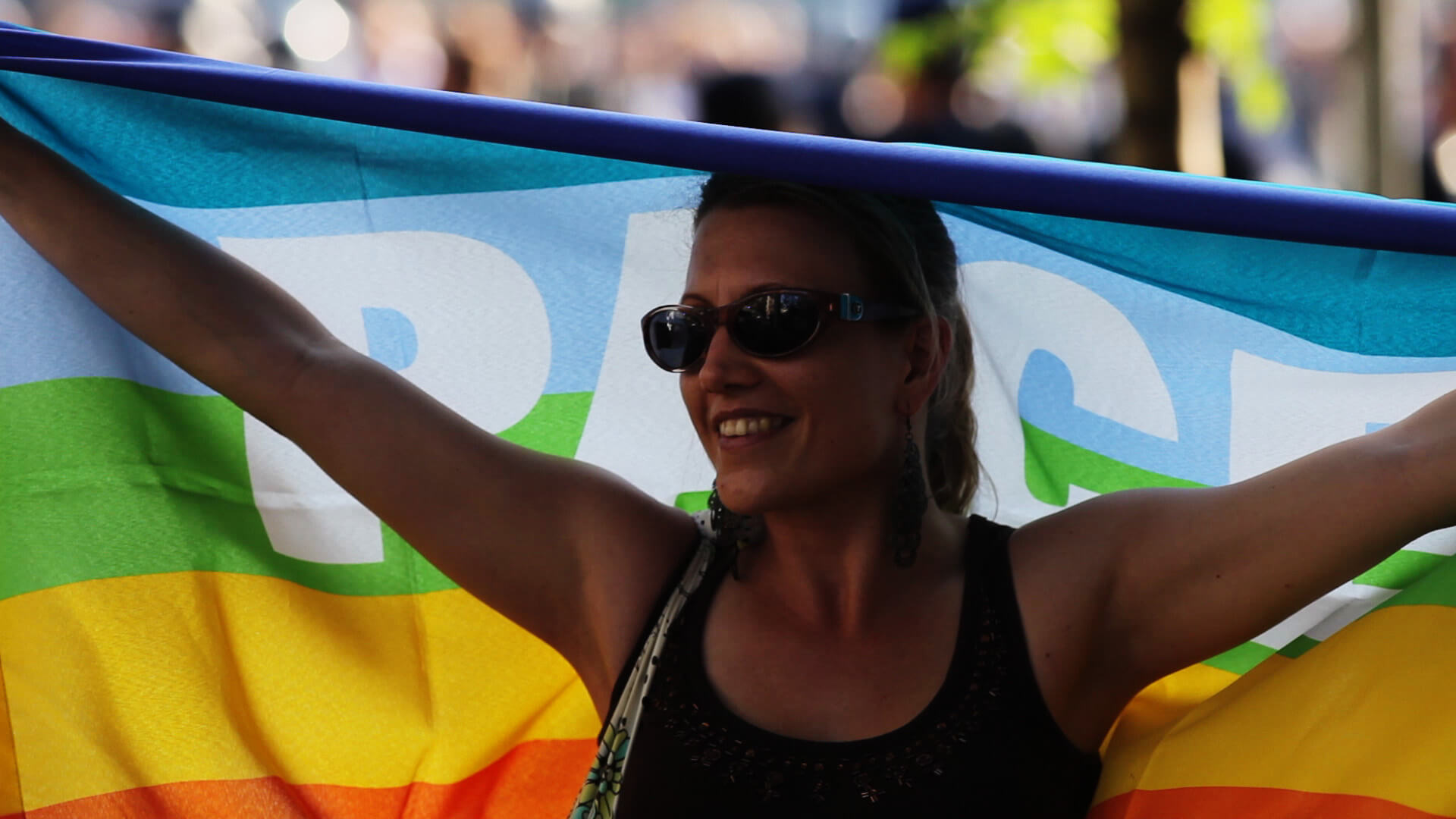







On April 13, 2019, the city of Gniezno, Poland’s first historical capital and symbolic “Cradle of Poland,” hosted its inaugural Equality March (Marsz Równości). The event marked a significant milestone for LGBTQ+ visibility in one of the country’s traditionally conservative regions. A Bold Move in the Cradle of Poland Organizing the Equality March in Gniezno carried immense symbolic weight. As the seat of Poland’s first Christian diocese and...
Category - Poland
Archive of video documentary project “New Nationalism in the Heart of Europe” in Poland
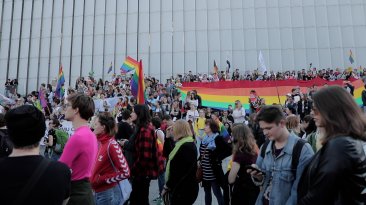
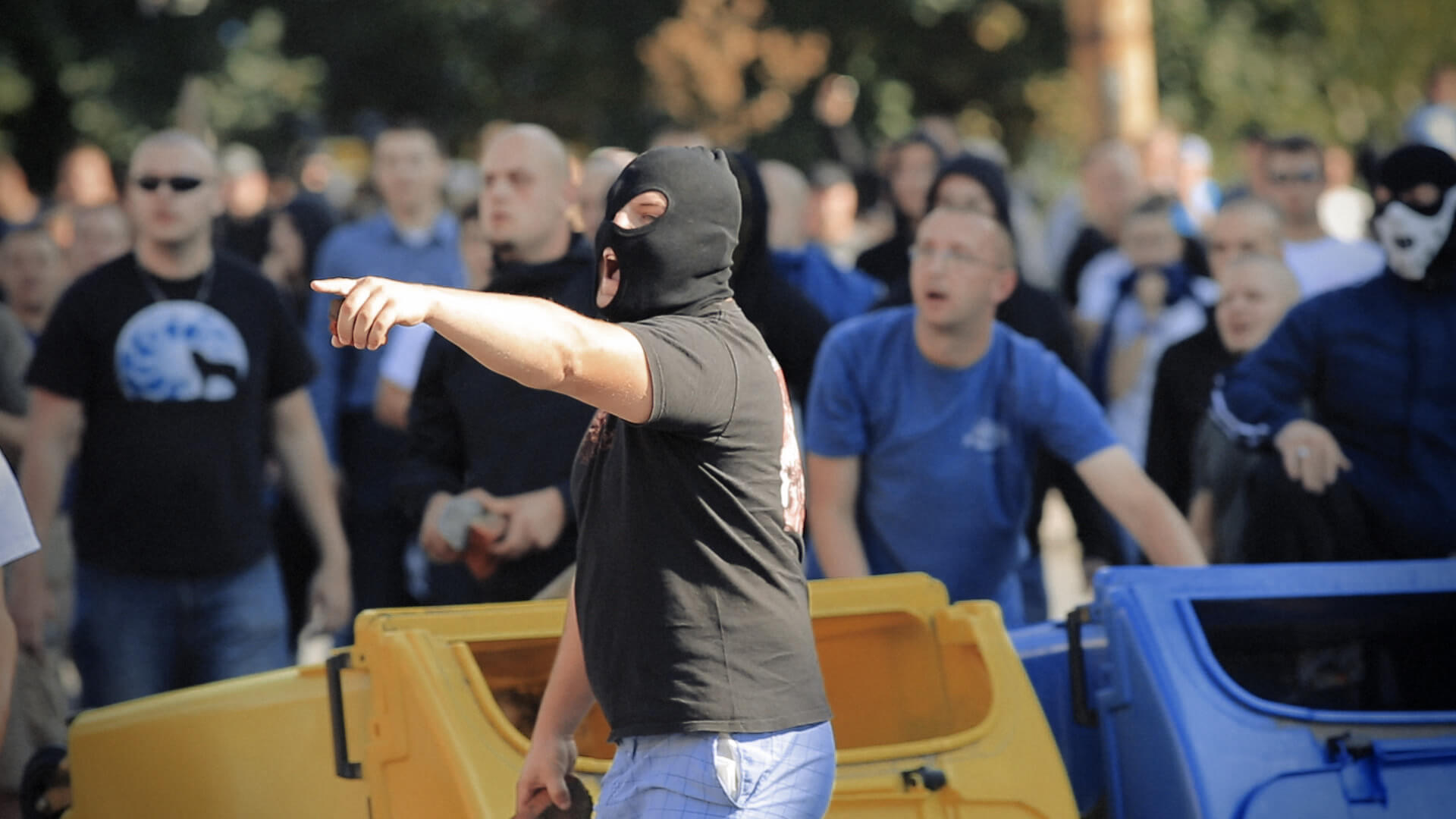
On October 13th, 2018, Lublin, a city in eastern Poland, held its first-ever LGBTQ+ Pride parade. The event, organized by Lublin Equality Parade, was intended to promote tolerance and acceptance of the LGBTQ+ community and celebrate diversity. Despite the parade being a peaceful demonstration, it was met with hostility from anti-LGBTQ+ protesters. An estimated 200 counter-demonstrators showed up to disrupt the celebrations, throwing bottles...

On April 10, 2018, Warsaw witnessed what was reported as the final regular monthly commemoration (the “miesięcznica”) of the 2010 air disaster near Smolensk. The ceremony took place on Krakowskie Przedmieście in front of the Presidential Palace, where families of the victims and political figures gathered to mark eight years since the tragedy. At the same time, Obywatele RP organised a counter-gathering nearby, carrying white roses, national...
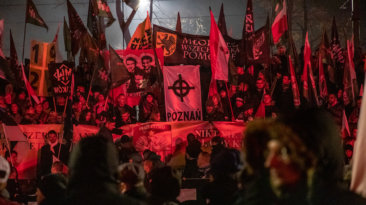
Tens of thousands of nationalists marched in a demonstration organized by far-right groups in Warsaw on November 11th, 2017, as Poles celebrated their country’s Independence Day. The far-right march has become one of the largest such demonstrations in Europe, overshadowing official state observances and other patriotic events. Participants carried banners depicting a far-right symbol dating to the 1930s and expressed sympathy for...

On Thursday, August 17th, 2017, police in Poland forcefully removed feminist activists who were participating in a sit-in to block the route of a far-right rally in central Warsaw. The Women’s Strike group and activists from Obywatele RP, who aimed to defend democratic principles in Poland, were attempting to prevent several dozen extremists from marching on Poland’s Armed Forces Day. The feminist protesters, many holding photos of...

On July 10, 2017, Warsaw’s Krakowskie Przedmieście once again became the site of parallel gatherings marking the 87th monthly commemoration of the 2010 Smolensk air crash. The official ceremony, attended by government representatives and families of the victims, was accompanied by a counter-demonstration organized by the civic movement Obywatele RP (Citizens of Poland). Among those who joined the protest was former Solidarity activist Władysław...

On April 29, 2017, the far-right nationalist group Obóz Narodowo-Radykalny (ONR, or National Radical Camp) held a controversial march in Warsaw, Poland. The event marked the anniversary of the ONR’s founding in the 1930s, an era when the group was known for its xenophobic, anti-Semitic, and ultra-nationalist agenda. The march was met with widespread criticism from human rights organizations, left-wing activists, and civic groups. Opponents...
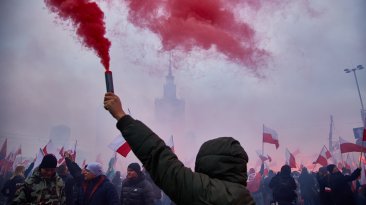
On November 11th, 2016, Poland celebrated its Independence Day, but the day was marred by controversy over the Marsz Niepodleglosci (March of Independence) organized by far-right groups. The march attracted tens of thousands of participants, many of whom carried banners with slogans promoting nationalism and anti-immigrant sentiment. The march began peacefully, but as it progressed, tensions rose, and there were reports of violence and hate...

Poland
V28: “Czarny Protest” and the “Conference of Polish Women Bishops” Along Krakowskie Przedmieście
On 24 October 2016, in Warsaw the women’s rights movement organised a day of action under the banner of Czarny Protest (Black Protest), building on earlier mobilisations in September and October. On this day, a procession called the Konferencja Episkopatu Polek (Conference of Polish Women Bishops) walked along the Royal Route (Trakt Królewski) and stopped at several churches, including St. Krzyż, Visitation, Seminary, St. Anna and St. John’s...

On October 3, 2016, Warsaw became one of the central stages of the nationwide Czarny Protest/Strajk kobiet (Black Protest), known as “Black Monday.” Tens of thousands of women and their allies took to the streets dressed in black, protesting against a proposed near-total abortion ban in Poland. The demonstration quickly grew into a symbol of resistance against government policies, with chants such as “My uterus, my business” and “PiS will not...