


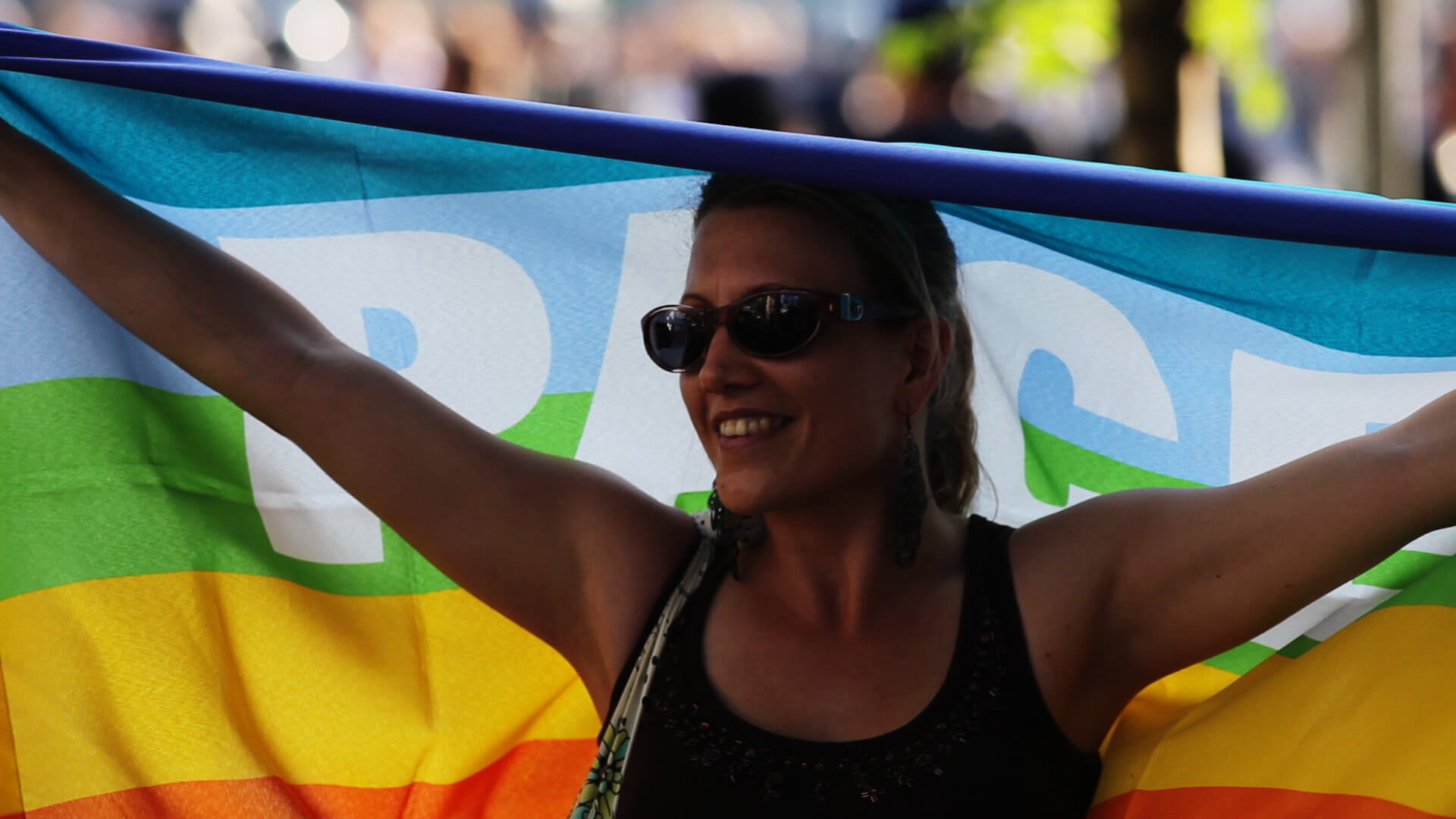


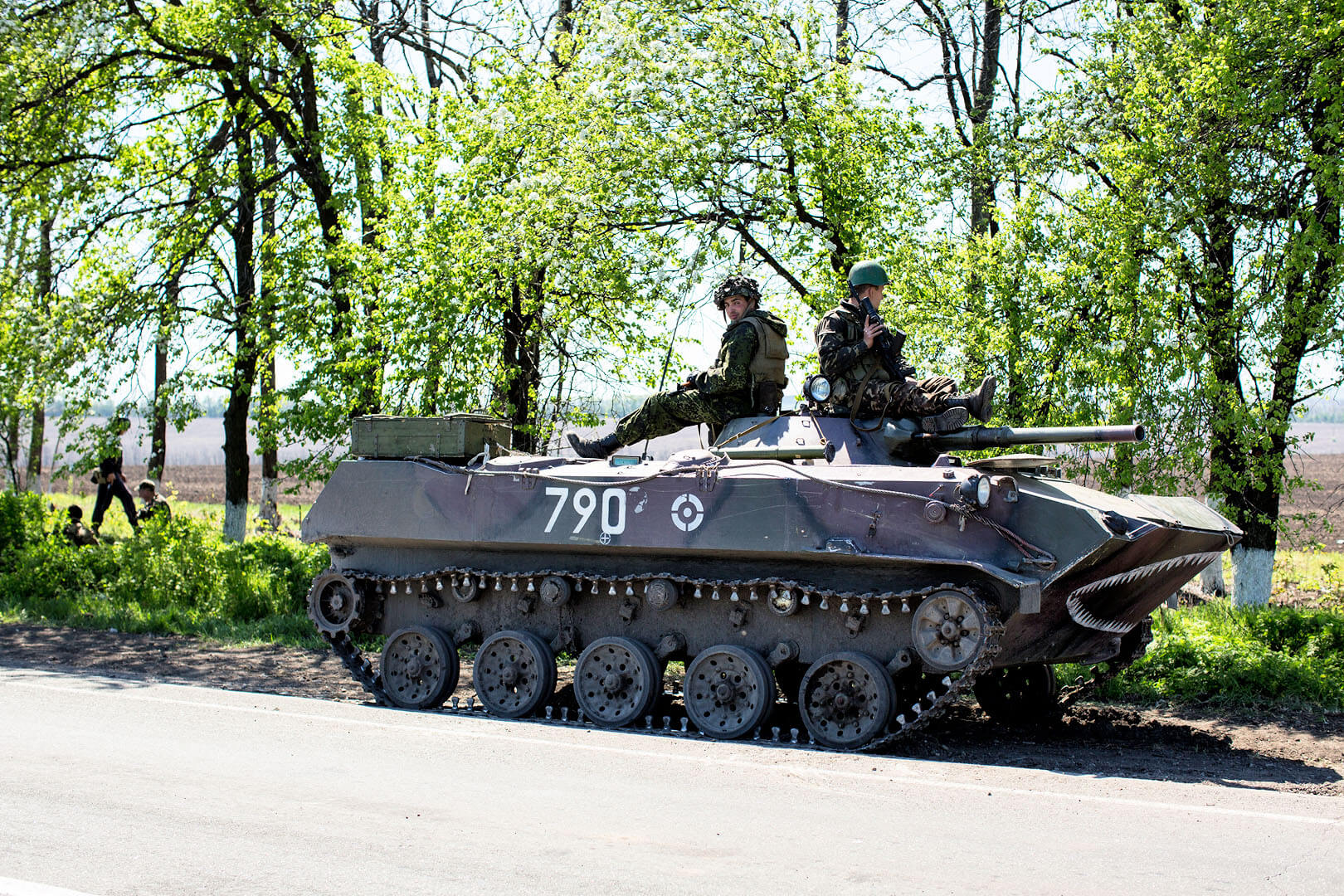


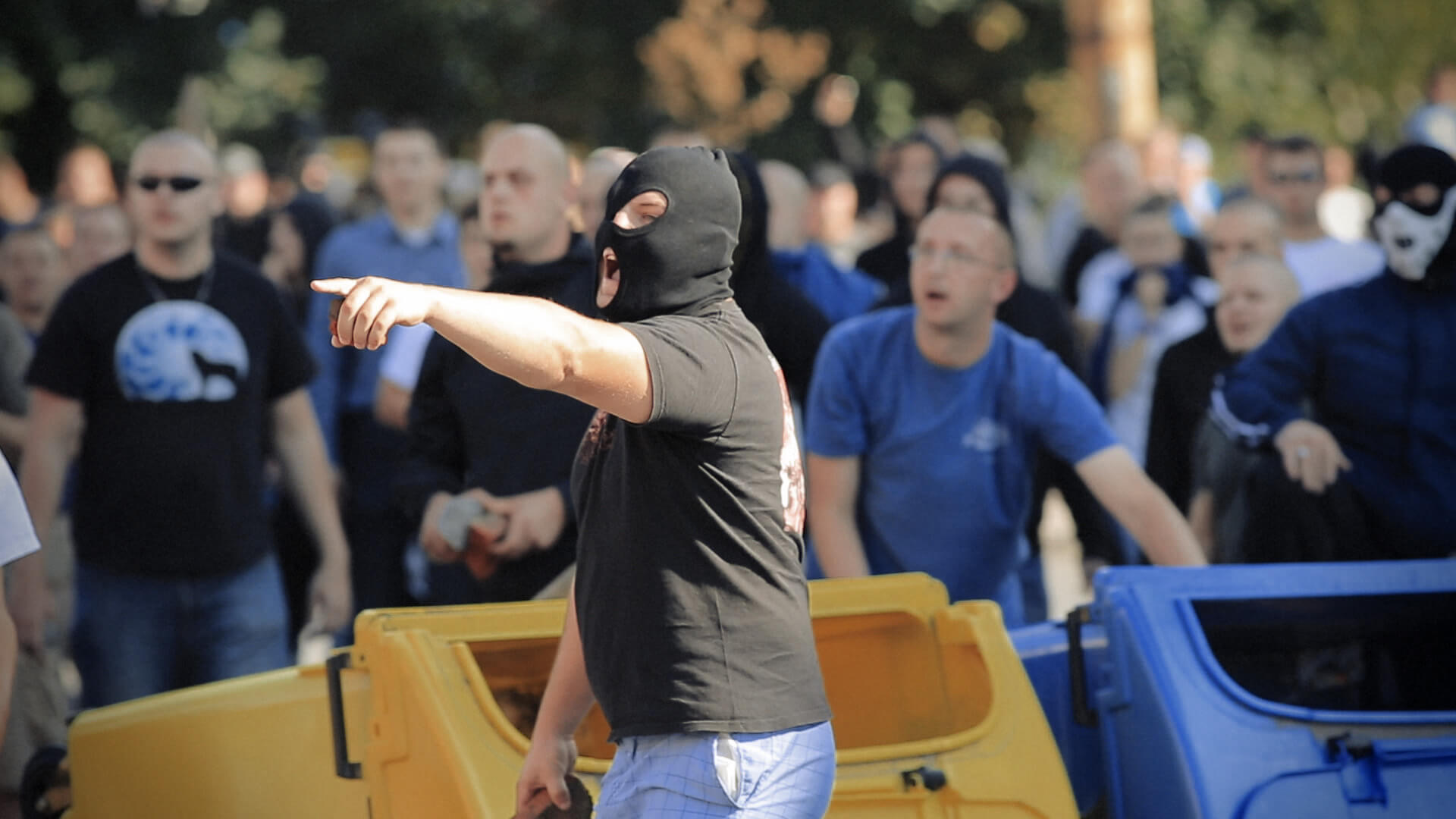


Prague, Czech republic, 15.3.2012 In a wave of public discontent, citizens across Czech cities, including Prague and Brno, have taken to the streets to express their dissatisfaction with the current government. The demonstrations, organized by grassroots movements, spotlight concerns about corruption, economic inequality, and environmental policies. These diverse protesters, united by their shared frustration, demand a more responsive and accountable political system. While government officials...
The New Nationalism at the Heart of Europe is a large photo and video-art project, in which Tomáš Rafa maps the public manifestations of nationalism, extreme right, racism and lack of tolerance in different countries. Since 2009, the artist documents meetings of radical and revolutionary groups, but also the anti-government and anti-extremist demonstrations, marches and supporting events for the rights of the minorities or clashes of anti-Fascists with supporters of ultra right movements. read more

The first scenes of The Cross (Krzyż) unfold in the aftermath of the 10 April 2010 Smolensk plane crash, which killed President Lech Kaczyński, his wife Maria, and 94 members of the Polish political and military elite. In the shock that followed, a symbolic wooden cross was erected outside the Presidential Palace on Krakowskie Przedmieście in Warsaw. Intended initially as a temporary memorial, the cross quickly became the centre of a heated national dispute. What began as an improvised shrine...

On April 11, 2016, the far-right National Radical Camp (Obóz Narodowo-Radykalny, ONR) organized a street demonstration in Warsaw against the presence of immigrants in Poland. The protest took place during the height of the European refugee crisis, a period when nationalist groups across the continent sought to mobilize public fears about migration and cultural change. Led by figures such as Robert Bąkiewicz, ONR activists marched with white-and-red flags, nationalist insignia, and banners...

On October 3, 2016, Warsaw became one of the central stages of the nationwide Czarny Protest/Strajk kobiet (Black Protest), known as “Black Monday.” Tens of thousands of women and their allies took to the streets dressed in black, protesting against a proposed near-total abortion ban in Poland. The demonstration quickly grew into a symbol of resistance against government policies, with chants such as “My uterus, my business” and “PiS will not pass.” The protest was met by pro-life activists...

On March 16, 2013, around 200 people gathered at SNP Square in Bratislava to block the path of far-right extremists marching to the grave of Jozef Tiso. The blockade was personally supported by the city’s mayor, Milan Ftáčnik, who led the procession waiting for the arrival of the neo-Nazis. The office announced the blockade at the mayor’s request the day before the event. Ftáčnik emphasized the importance of expressing opposition to the far-right in a lawful and peaceful manner, so...
On February 13th, 2013, more than 10,000 anti-fascist activists formed a human chain in downtown Dresden to protest against neo-Nazi marches on the 68th anniversary of the WWII bombing that destroyed the city. The demonstration marked a symbolic gesture against the right-wing extremist groups. Although thousands of participants formed a human chain, no clashes were reported with the participants of the planned parallel neo-Nazi rally. Approximately 3,000 police had been deployed earlier in the...

There are some issues in which, in contrast to others, most of the former SFR Yugoslavia countries are not falling behind compared to other countries of Europe. One of those issues is, of course, the new nationalism which is widespread over the whole Europe and its frequency is dependant on the country and the region in which it is manifested.As in other European post-socialist countries, right-wing politics was the most usual orientation of the new governments, which in the case of SFRY was...

On June 2nd, 2012, Warsaw was the site of the annual Queer Parade, also known as the Equality Parade, for the rights of the LGBTQ community. The event attracted thousands of participants, including members of the LGBTQ community, allies, and supporters. The Queer Parade is an important event in Poland, where LGBTQ individuals often face discrimination and hostility. The organizers of the parade believe that every individual has the right to express their sexuality and gender identity without...

On March 27, 2024, Kunsthalle Bratislava hosted a poignant farewell event, marking the end of its existence as an independent institution.This closure resulted from a directive by the Ministry of Culture of the Slovak Republic to merge Kunsthalle Bratislava with the Slovak National Gallery (SNG), effective April 1, 2024. The decision to dissolve Kunsthalle Bratislava was announced in early 2024. On January 16, 2024, the institution’s director, Jen Kratochvil, resigned following the...

Zürich (Switzerland), 15.9.2011.Nach den Ausschreitungen in der Nacht kam es am Samstagnachmittag wieder zu Ausschreitungen in Zürich. Linksautonome versuchten eine Kundgebung von Abtreibungsgegnern zu verhindern. Die Polizei setzte Tränengas ein. Linksautonome hatten dazu aufgerufen, eine Kundgebung christlicher und rechtskonservativer Abtreibungsgegnerinnen und – gegner vom Samstagnachmittag in der Zürcher Innenstadt zu stören.Verletzt wurde niemand, wie ein Polizeisprecher auf Anfrage...

In the summer of 2015, the area surrounding Budapest’s Keleti Railway Station became an unexpected and harrowing epicenter of the European refugee crisis. Thousands of refugees, primarily from Syria, Iraq, and Afghanistan, found themselves stranded at Keleti Station Square, transforming the area into a makeshift camp and a vivid illustration of the human toll of war and displacement. As the number of refugees arriving in Budapest surged, the Hungarian government decided to suspend all...

LGBTIQA+, Slovakia
V91: Protest of Matica Slovenská against the poster of the P.O. Hviezdoslav Theater
On September 6, 2023, Matica slovenská, a cultural institution dedicated to preserving Slovak heritage, organized a protest outside the P. O. Hviezdoslav Theater (DPOH) in Bratislava. The demonstration arose from outrage over a promotional poster created for the theater’s 2023/2024 season, which featured controversial imagery deemed disrespectful to Slovak national identity and cultural heritage. The Poster That Sparked the Controversy The promotional artwork depicted a group of young...