


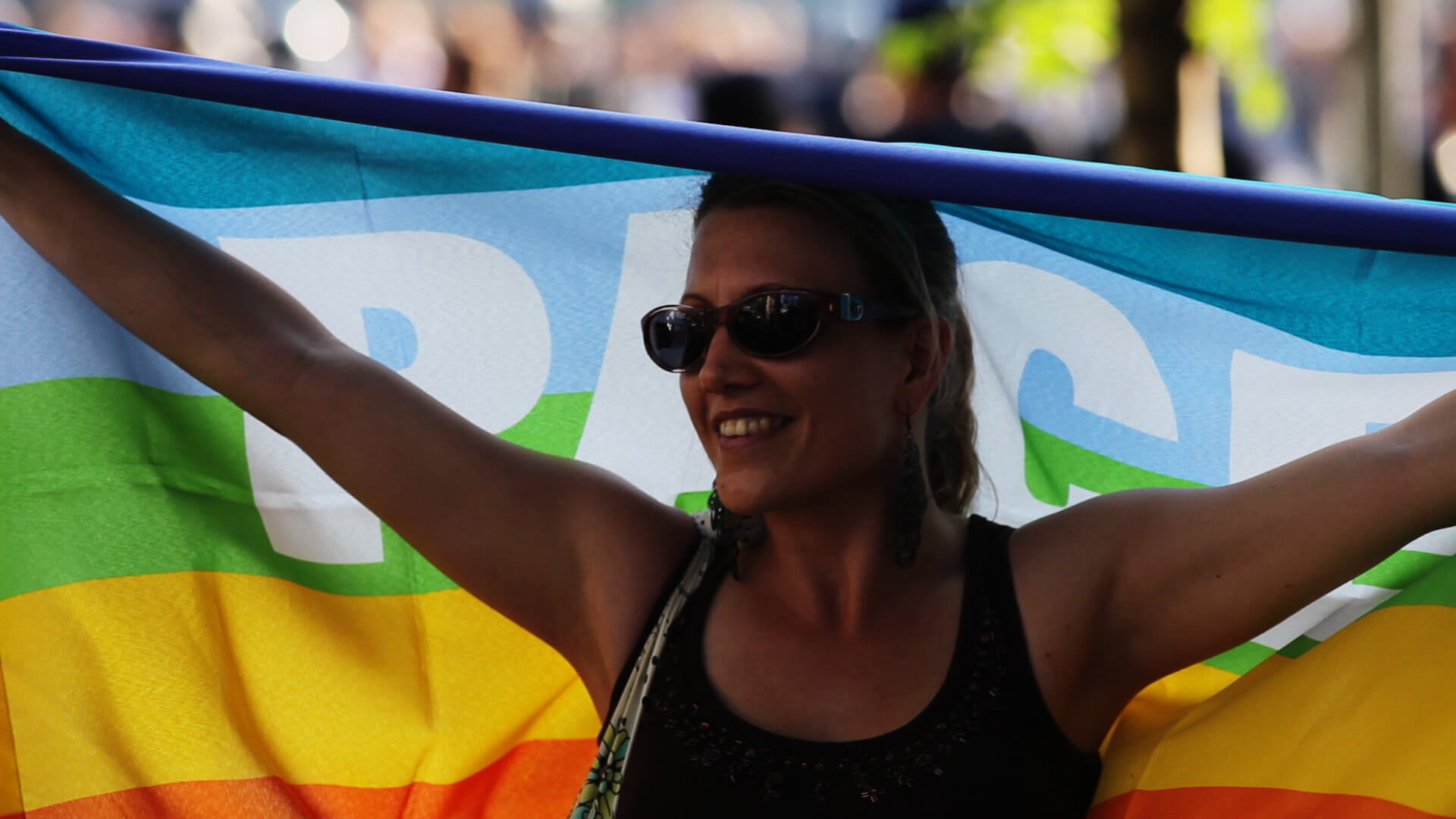


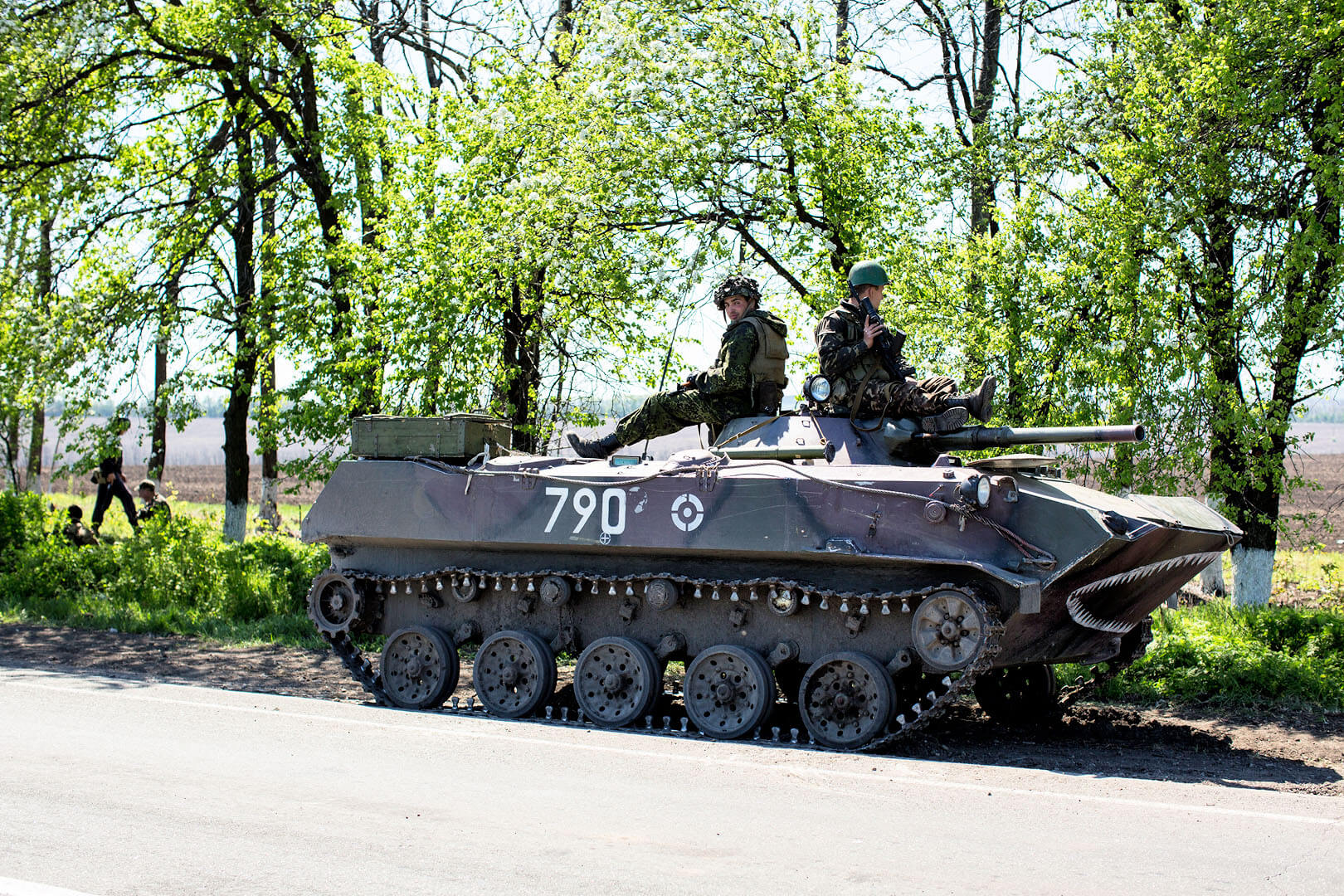


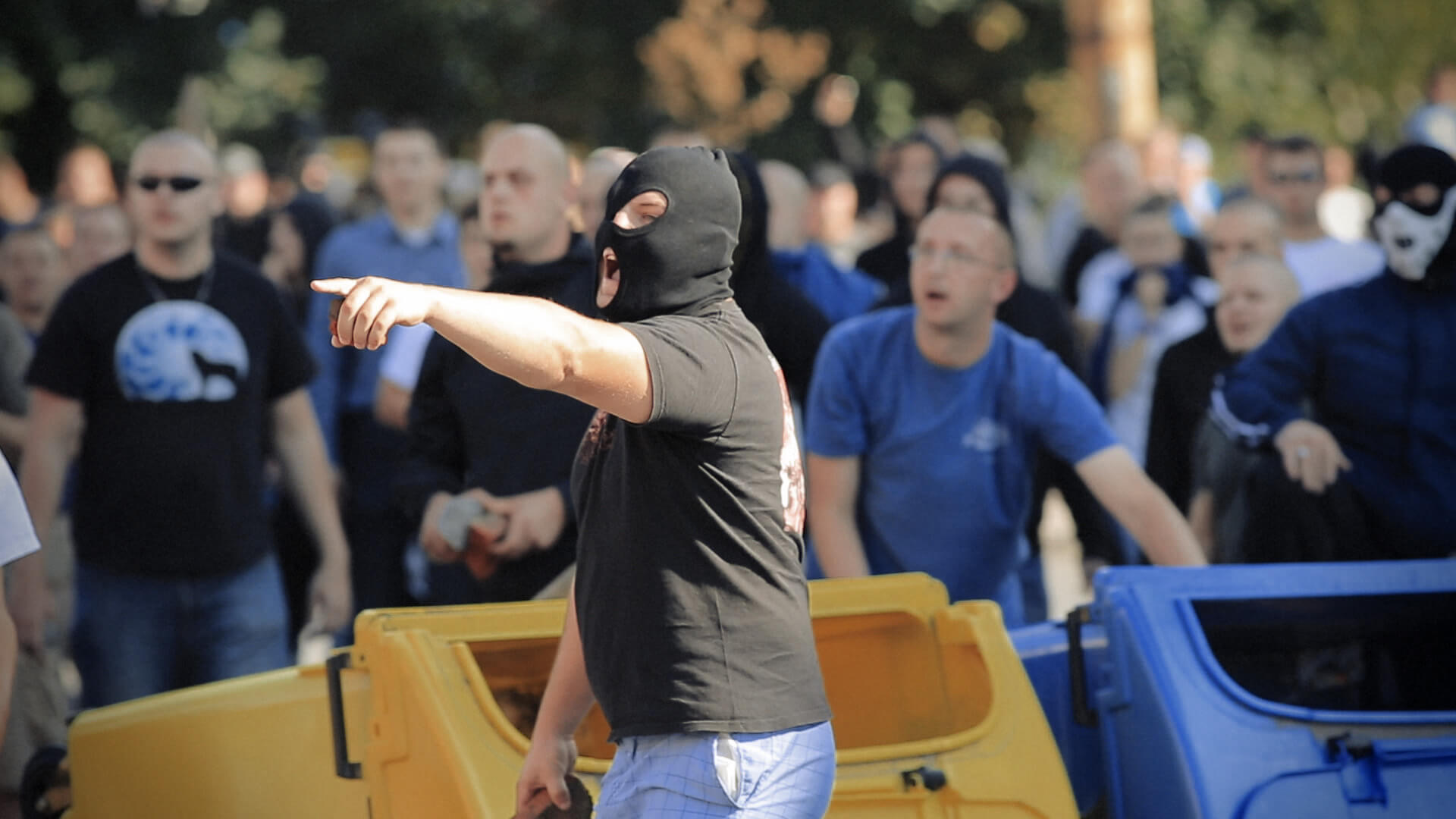


A pre-election rally organized by far-right politician Marián Kotleba and members of his People’s Party Our Slovakia (ĽSNS) in Žilina escalated into violence on Saturday, July 11, 2015. The event, staged under an anti-immigration banner, drew several hundred participants, including sympathizers from the extremist group VZDOR Kysuce and other regional branches of the Slovak radical right. The gathering was held in Žilina’s city center as part of a series of nationalist demonstrations that...

The New Nationalism at the Heart of Europe is a large photo and video-art project, in which Tomáš Rafa maps the public manifestations of nationalism, extreme right, racism and lack of tolerance in different countries. Since 2009, the artist documents meetings of radical and revolutionary groups, but also the anti-government and anti-extremist demonstrations, marches and supporting events for the rights of the minorities or clashes of anti-Fascists with supporters of ultra right movements. read more

New York, USA, 9.2.2012This Thursday, the Department of Education’s Panel for Educational Policy (PEP) will convene again to determine the fate of 25 schools the city is trying to close down.Since the majority of the panel is appointed by Mayor Bloomberg – and has never voted against his will – this decision will be easy for them. The Panel has never heard or been responsive to voices of real students, parents, teachers, and community members who have already spoken out against their failed...

On October 13th, 2018, Lublin, a city in eastern Poland, held its first-ever LGBTQ+ Pride parade. The event, organized by Lublin Equality Parade, was intended to promote tolerance and acceptance of the LGBTQ+ community and celebrate diversity. Despite the parade being a peaceful demonstration, it was met with hostility from anti-LGBTQ+ protesters. An estimated 200 counter-demonstrators showed up to disrupt the celebrations, throwing bottles, bricks, and stones, as well as lighting flames at the...
The Medyka-Shehyni border crossing has become emblematic of the humanitarian and racial complexities that emerged in the early days of the war in Ukraine. While Poland opened its borders to millions of Ukrainian refugees fleeing the Russian invasion in February 2022, the initial wave of solidarity revealed underlying racial biases and inequities in the treatment of refugees. The Humanitarian Divide During the first days of the conflict, images of long lines at the Medyka crossing were broadcast...
On February 13th, 2013, more than 10,000 anti-fascist activists formed a human chain in downtown Dresden to protest against neo-Nazi marches on the 68th anniversary of the WWII bombing that destroyed the city. The demonstration marked a symbolic gesture against the right-wing extremist groups. Although thousands of participants formed a human chain, no clashes were reported with the participants of the planned parallel neo-Nazi rally. Approximately 3,000 police had been deployed earlier in the...

LGBTIQA+, Slovakia
V97: After the fire in the building of the cultural center Stanica Žilina Záriečie
On September 15, 2019, a fire broke out in the iconic Stanica Žilina-Záriečie, a renowned cultural center located in the Záriečie district of Žilina, Slovakia. Known for its innovative programming and contributions to the cultural landscape, the venue suffered significant damage, leaving the local community and Slovakia’s cultural scene in mourning. Incident Overview The fire started in the early hours of the morning, engulfing parts of the building and causing extensive damage to the...

On May 1, 2015, in Brno, Czech Republic, around 1,500 to 2,000 individuals gathered to oppose a May Day procession organized by the extremist group “Dělnická mládež” (Worker Youth). The protesters blocked access routes to Malinovského Square while chanting slogans like “Náckové ven z Brna” (Nazis out of Brno). The situation escalated as the police intervened to separate the opposing groups, deploying hundreds of riot officers, mounted police, and even a helicopter...
On July 7, 2012, the annual Budapest Gay Pride Parade took place amidst a backdrop of heightened security measures, as the event drew both passionate supporters and vehement opponents. The parade served as a vibrant celebration of the lesbian, gay, bisexual, and transgender (LGBT) community in Hungary while also highlighting the challenges faced by the community in a tense social and political climate. The 2012 Budapest Gay Pride Parade saw thousands of participants take to the streets...

Prague, Czech republic, 15.3.2012 In a wave of public discontent, citizens across Czech cities, including Prague and Brno, have taken to the streets to express their dissatisfaction with the current government. The demonstrations, organized by grassroots movements, spotlight concerns about corruption, economic inequality, and environmental policies. These diverse protesters, united by their shared frustration, demand a more responsive and accountable political system. While government officials...

In the summer of 2015, the area surrounding Budapest’s Keleti Railway Station became an unexpected and harrowing epicenter of the European refugee crisis. Thousands of refugees, primarily from Syria, Iraq, and Afghanistan, found themselves stranded at Keleti Station Square, transforming the area into a makeshift camp and a vivid illustration of the human toll of war and displacement. As the number of refugees arriving in Budapest surged, the Hungarian government decided to suspend all...

The match between Poland and Russia was a highly anticipated event during the Euro 2012 tournament. The two countries have a long and complicated history, with tensions between them dating back centuries. This history, coupled with the presence of violent fans on both sides, made the match a potential security risk. The authorities in Warsaw were well aware of the risks posed by the match and had taken measures to ensure the safety of fans and residents. Nearly 6,000 police officers were...

On September 29, 2012, promoters of the far-right People’s Party Our Slovakia (Ľudová strana Naše Slovensko – LSNS) are planning an event to “clean up” the Romani settlement in Krásná Hôrka, Slovakia. The party is inviting people to attend the event through social networks and its website, claiming that more than 300 people might participate. Marián Kotleba, the party’s leading candidate, has requested the Slovak State Police to coordinate the event. Kotleba recently...