






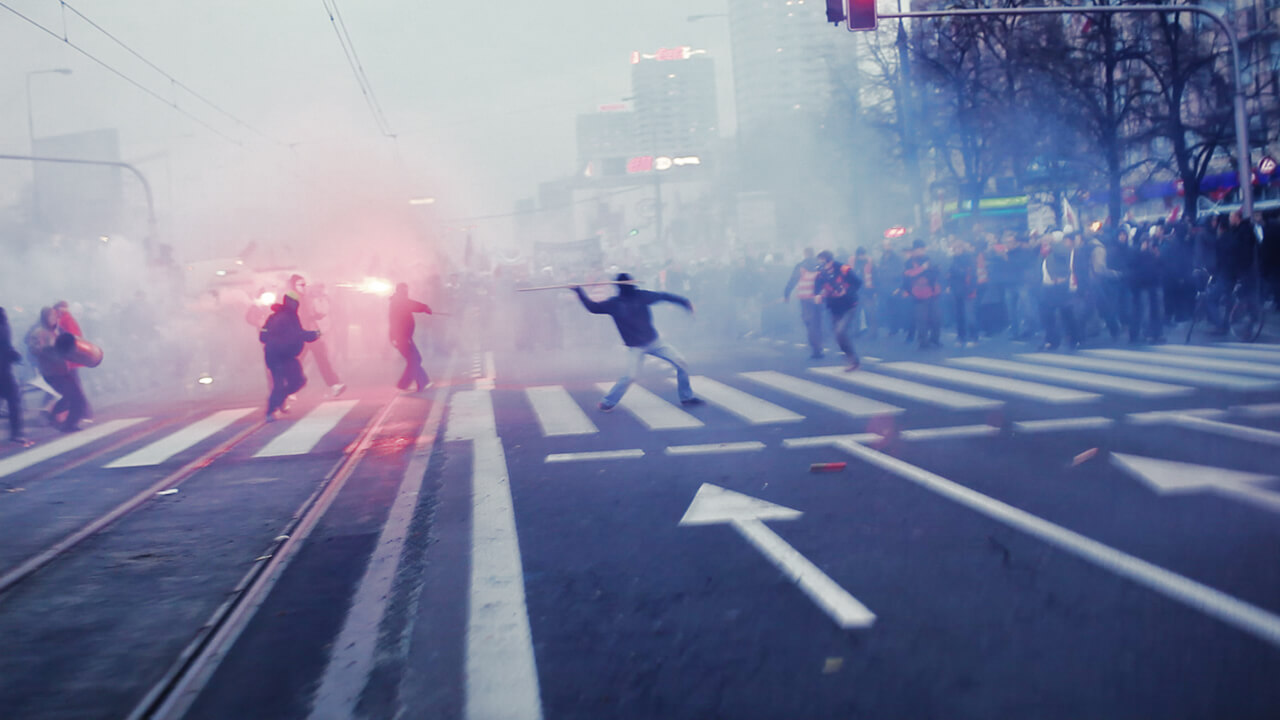
On November 11th, 2012, Poland celebrated its Independence Day, but the celebrations were overshadowed by a controversial march known as the Marsz Niepodleglosci (March of Independence). The march was organized by far-right groups, and it attracted thousands of participants, many of whom espoused nationalist and anti-Semitic views. The march began peacefully, with participants carrying Polish flags and chanting slogans in support of their country. However, as the march progressed, tensions...
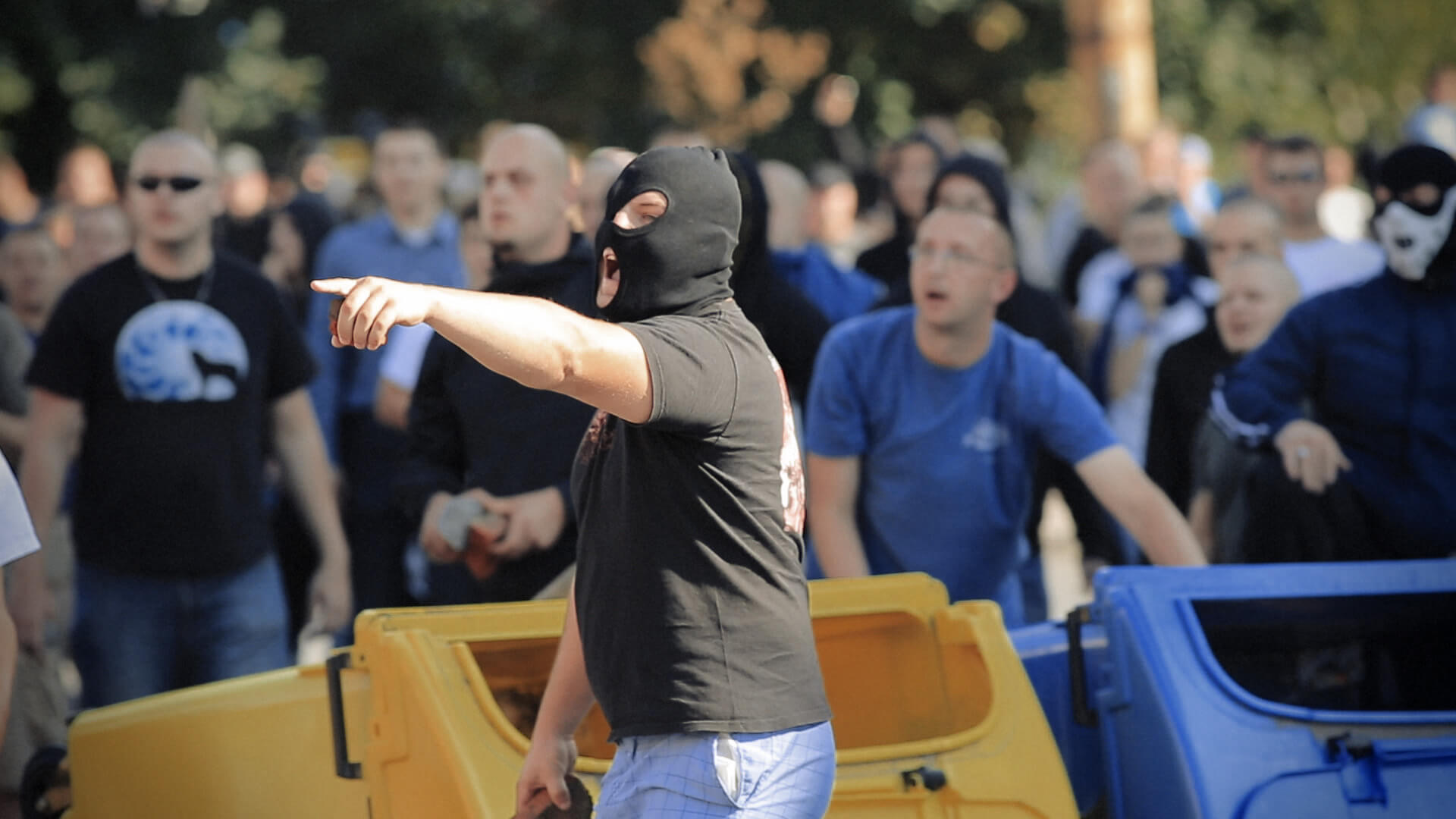
The New Nationalism at the Heart of Europe is a large photo and video-art project, in which Tomáš Rafa maps the public manifestations of nationalism, extreme right, racism and lack of tolerance in different countries. Since 2009, the artist documents meetings of radical and revolutionary groups, but also the anti-government and anti-extremist demonstrations, marches and supporting events for the rights of the minorities or clashes of anti-Fascists with supporters of ultra right movements. read more

On November 10, 2024, the monthly Smolensk remembrance ceremony once again took place in Warsaw. Attention focused on the controversial stairs erected near the Smolensk monument, which activists described as illegal and a symbol of political manipulation. The activists reminded that the stairs were built without proper authorization from the City of Warsaw and remain subject to a court order for removal. They declared that dismantling the structure would mark “the end of the Smolensk lie,”...

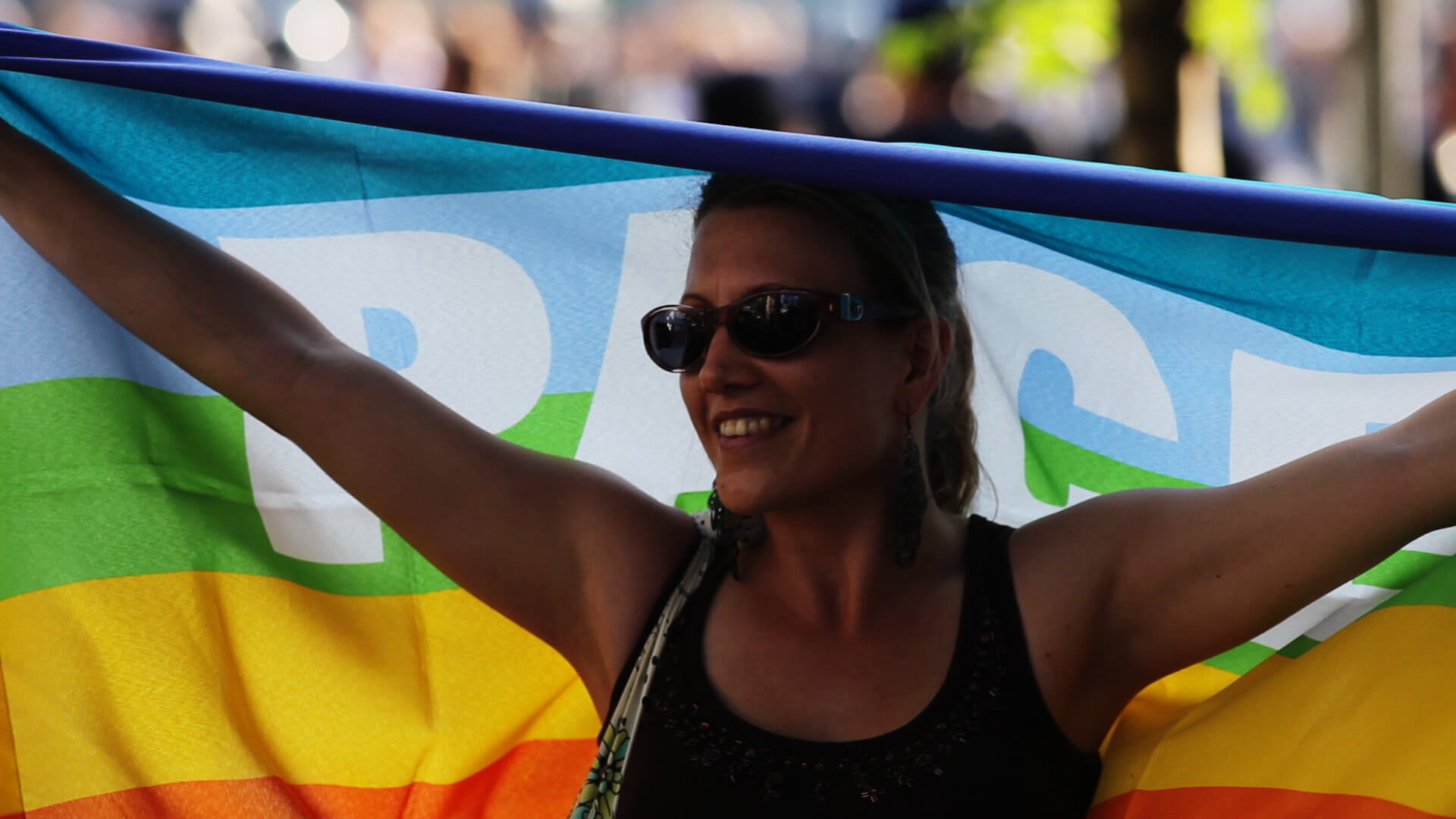
On July 20, 2024, Bratislava’s Námestie slobody became a vibrant hub of solidarity and resilience as thousands gathered for the 14th annual Dúhový PRIDE Bratislava. This year’s event held profound significance, serving as a poignant protest against homophobia and intolerance, especially in the wake of the tragic terrorist attack on Zámocká Street in October 2022. The 2022 attack, which claimed the lives of two young members of the LGBTQ+ community outside the Tepláreň bar, cast a...

On March 16, 2013, around 200 people gathered at SNP Square in Bratislava to block the path of far-right extremists marching to the grave of Jozef Tiso. The blockade was personally supported by the city’s mayor, Milan Ftáčnik, who led the procession waiting for the arrival of the neo-Nazis. The office announced the blockade at the mayor’s request the day before the event. Ftáčnik emphasized the importance of expressing opposition to the far-right in a lawful and peaceful manner, so...
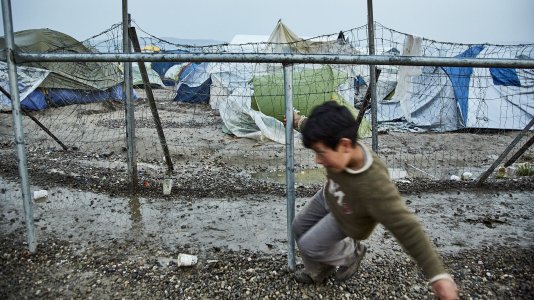
The Idomeni refugee camp in Greece has become an emblematic symbol of the ongoing refugee crisis in Europe. Located on the Greek-Macedonian border, the camp was initially designed to accommodate around 1,500 people but quickly became overcrowded as the influx of refugees and migrants continued. At its peak, the camp housed over 8,500 individuals, leading to dire conditions and a severe lack of resources. Life in Idomeni was marked by constant struggle and uncertainty. With limited access to...
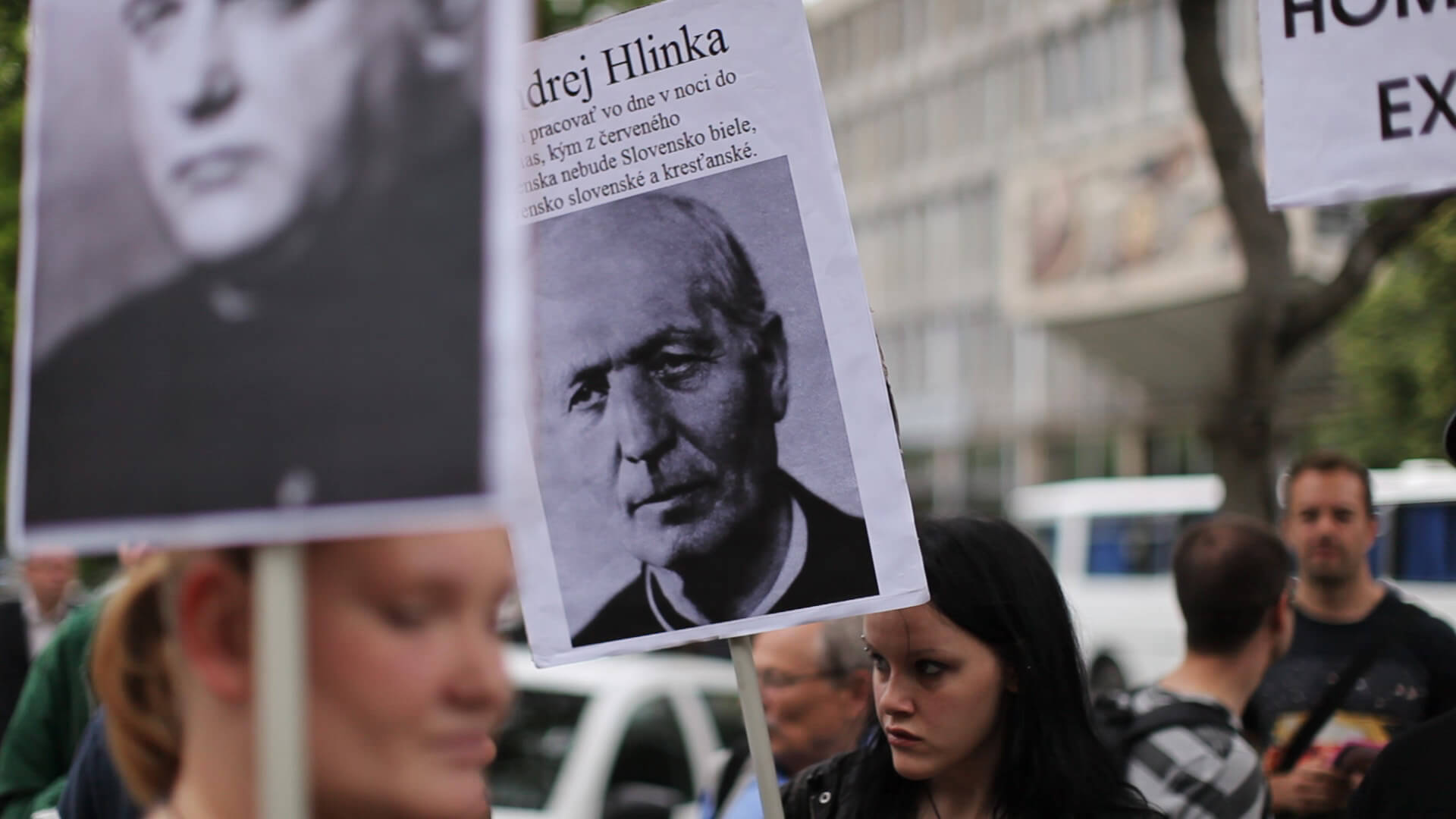
On June 9, 2012, Bratislava celebrated its third annual Dúhový (Rainbow) Pride parade. Members of the international community expressed their moral and practical support for the parade organizers and participants. The event aimed to raise awareness of the lesbian, gay, bisexual, and transgender (LGBT) community in the Slovak Republic and promote their human rights. As citizens of the European Union, the LGBT community in Slovakia enjoys legal guarantees under the Charter of Fundamental Rights...

On June 16, 2019, the Polish city of Częstochowa hosted its annual Equality March (Marsz Równości), a vibrant event advocating for LGBTQ+ rights and inclusivity. Held under the slogan “Love Without Borders,” the march brought together a diverse crowd of supporters, marking a significant moment for LGBTQ+ visibility and equality in a deeply traditional region. A Bold Statement in a Symbolic City Częstochowa, home to the revered Jasna Góra Monastery and Poland’s Black Madonna...

On Thursday, August 17th, 2017, police in Poland forcefully removed feminist activists who were participating in a sit-in to block the route of a far-right rally in central Warsaw. The Women’s Strike group and activists from Obywatele RP, who aimed to defend democratic principles in Poland, were attempting to prevent several dozen extremists from marching on Poland’s Armed Forces Day. The feminist protesters, many holding photos of Heather Heyer, the American woman killed during a...

On April 29, 2019, the Supreme Court of the Slovak Republic rejected a motion filed by the General Prosecutor to dissolve Marián Kotleba’s far-right political party, Ľudová strana Naše Slovensko (ĽSNS). The court ruled that the proposal did not meet the strict conditions required for such a measure, stating that the evidence failed to prove the party posed an immediate threat to the democratic order. The judges emphasized that dissolving a political party represents an extreme intervention in...
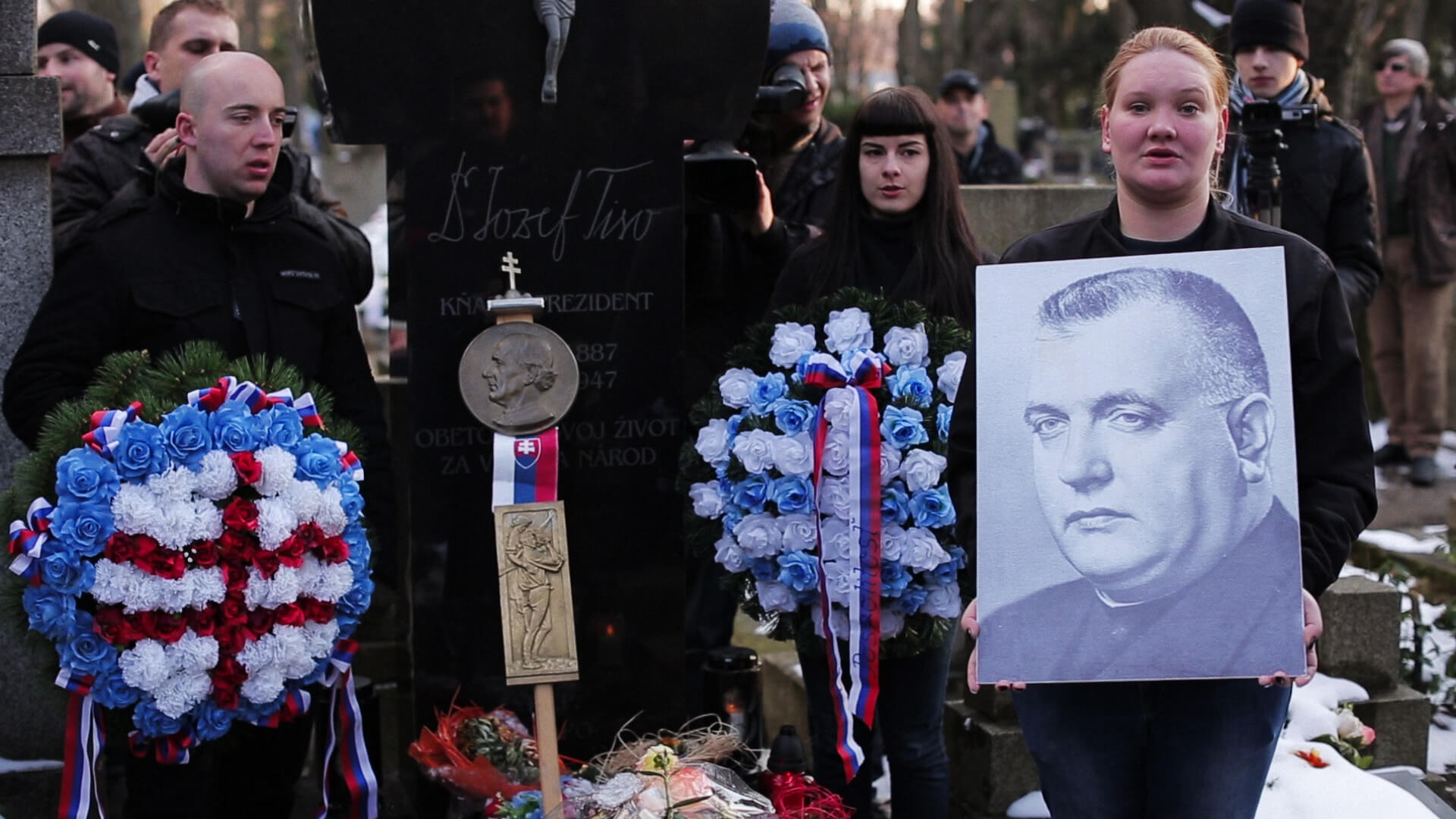
On March 14, 2015, the wartime Slovak Republic, an ally of Nazi Germany, was commemorated by extremist nationalist groups during the annual “For Independent Slovakia” march. In previous years, the event had witnessed violent clashes between the extremist groups and anti-fascist activists. However, this year, marking the 76th anniversary of the establishment of the Slovak state, police intervention successfully prevented clashes by diverting the nationalists to a different location...

On June 2nd, 2012, Warsaw was the site of the annual Queer Parade, also known as the Equality Parade, for the rights of the LGBTQ community. The event attracted thousands of participants, including members of the LGBTQ community, allies, and supporters. The Queer Parade is an important event in Poland, where LGBTQ individuals often face discrimination and hostility. The organizers of the parade believe that every individual has the right to express their sexuality and gender identity without...

The match between Poland and Russia was a highly anticipated event during the Euro 2012 tournament. The two countries have a long and complicated history, with tensions between them dating back centuries. This history, coupled with the presence of violent fans on both sides, made the match a potential security risk. The authorities in Warsaw were well aware of the risks posed by the match and had taken measures to ensure the safety of fans and residents. Nearly 6,000 police officers were...