


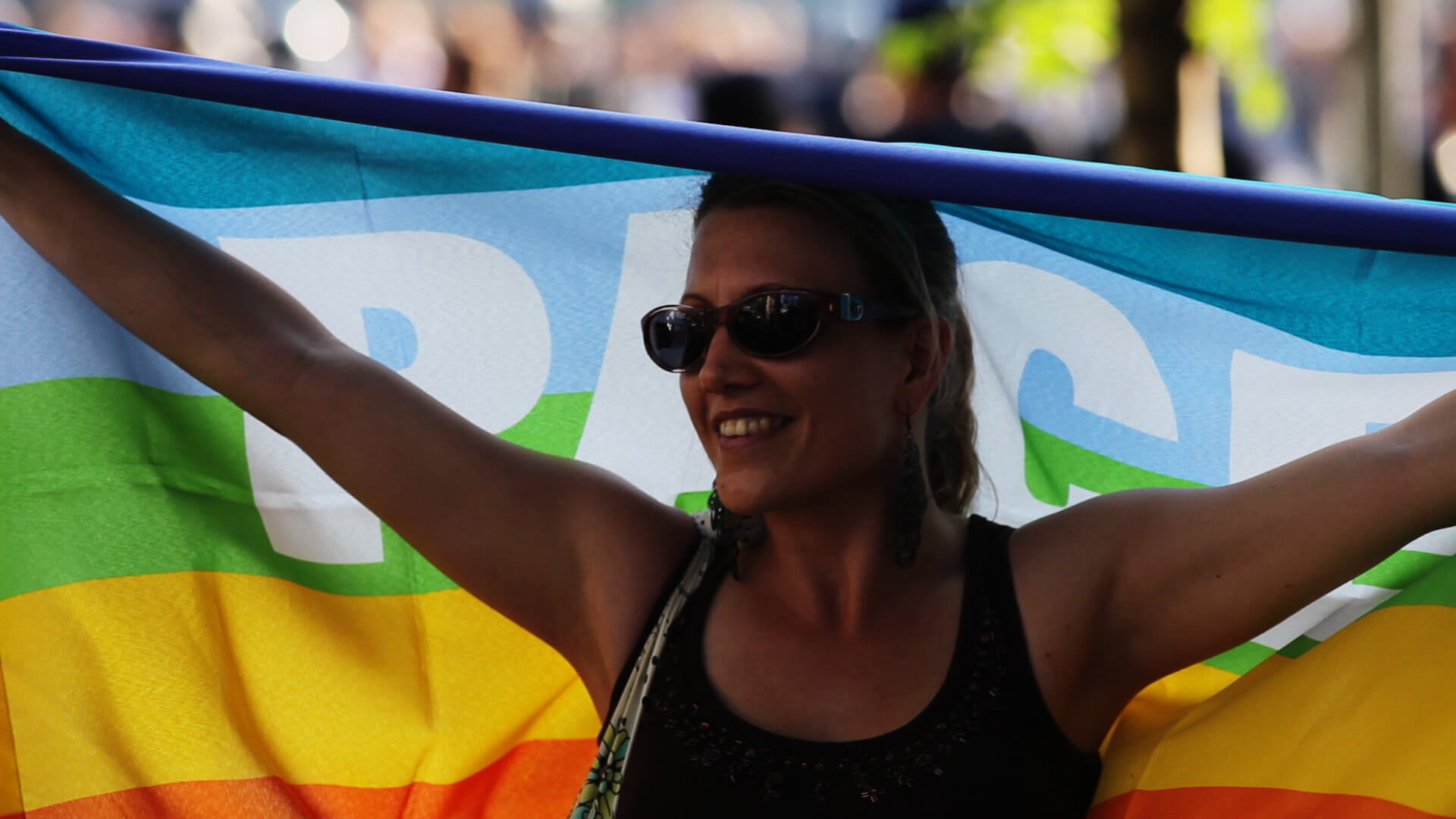






The police intervention at the Gorilla Protest in Bratislava on March 9, one day before the general election, is set to be investigated by the Office of the General Prosecutor after 172 citizens submitted complaints over the matter, the Gorilla Protest Civil Movement announced on Tuesday, April 10. The civil movement claims that the police “were misused against defenceless people” in what it says was an “unlawful and brutal intervention”. The incident took place when...
The New Nationalism at the Heart of Europe is a large photo and video-art project, in which Tomáš Rafa maps the public manifestations of nationalism, extreme right, racism and lack of tolerance in different countries. Since 2009, the artist documents meetings of radical and revolutionary groups, but also the anti-government and anti-extremist demonstrations, marches and supporting events for the rights of the minorities or clashes of anti-Fascists with supporters of ultra right movements. read more

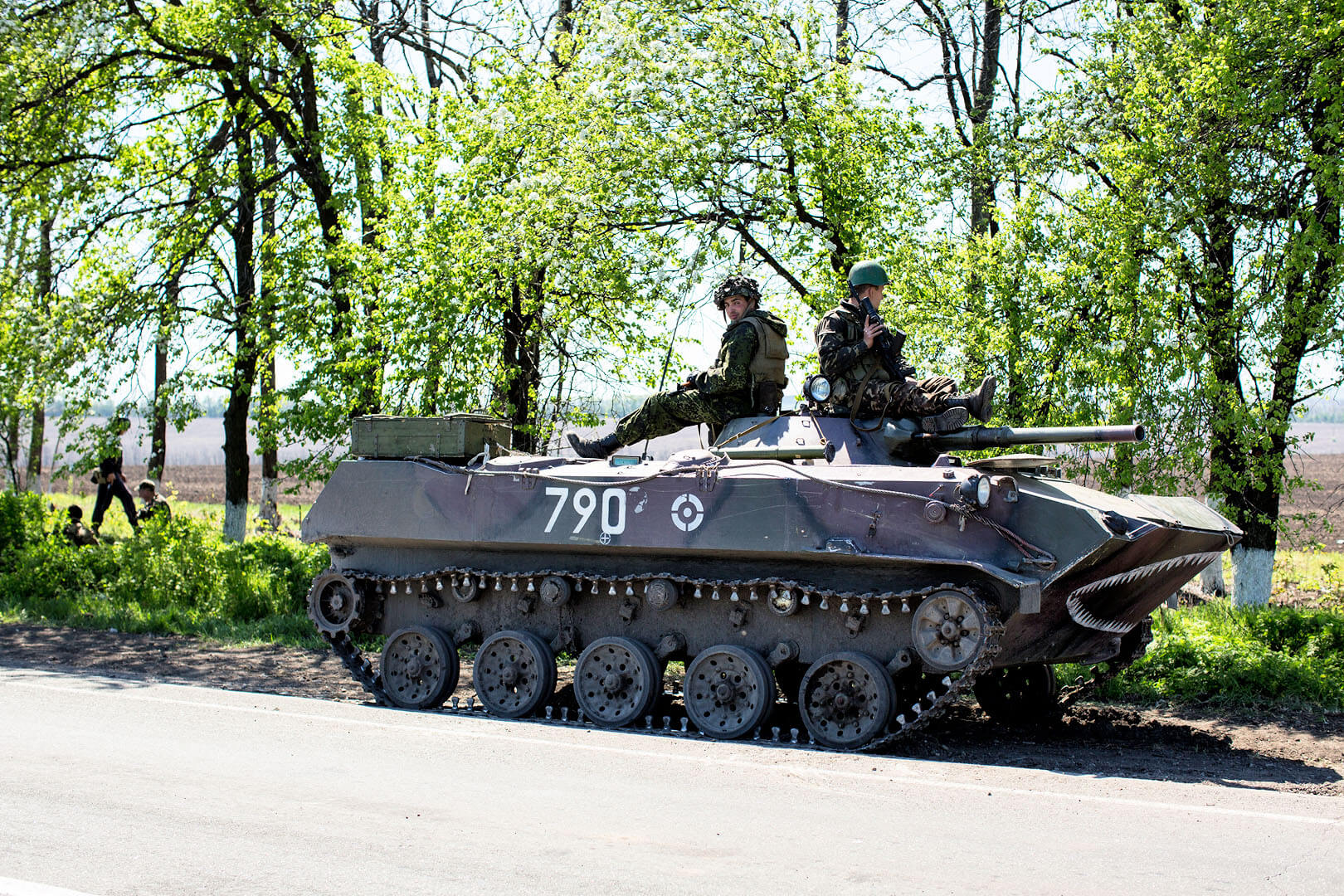
In late 2013 and early 2014, anti-government protests known as EuroMaidan began in Ukraine, triggered by President Viktor Yanukovych’s decision to abandon closer ties with the European Union in favor of Russia. In December 2013, Russia offered Yanukovych a $15 billion bailout and a 33 percent discount on imported natural gas. The protests turned deadly on January 22, 2014, when at least three protesters were killed by gunshot during a police assault on the crowd, and more than 300 were...

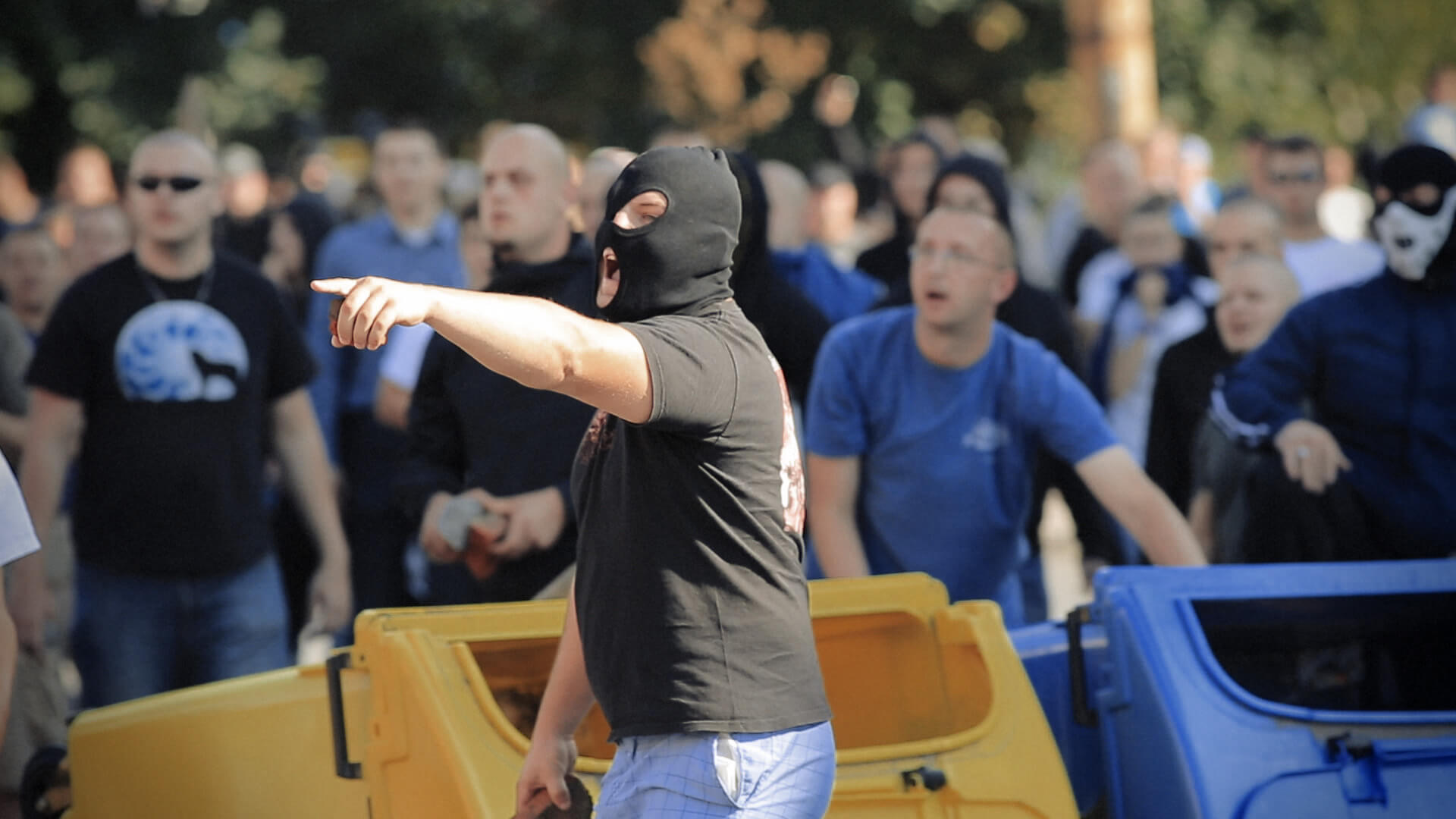
On August 29, 2009, approximately 200 Roma residents of Turzovka, a town in the Kysuce region of Slovakia, left their homes a day before a planned anti-Roma protest by the extremist organization Slovenská Pospolitosť (Slovak Brotherhood). Local residents and the town’s mayor confirmed the exodus, with some Roma unable to fit on buses to Ostrava and resorting to taxis and cars. In anticipation of the protest, dozens of police vehicles and hundreds of officers were dispatched to Turzovka. A...
The Night Wolves, a Russian biker gang with strong ties to President Vladimir Putin, embarked on a 3,700-mile journey across Europe to commemorate the 70th anniversary of the victory over Nazi Germany. The group’s controversial route from Moscow to Berlin generated significant attention and led to complications with European authorities. This article examines the Night Wolves’ journey, their encounters with law enforcement, and the public’s reaction to their “victory...

On March 16, 2013, around 200 people gathered at SNP Square in Bratislava to block the path of far-right extremists marching to the grave of Jozef Tiso. The blockade was personally supported by the city’s mayor, Milan Ftáčnik, who led the procession waiting for the arrival of the neo-Nazis. The office announced the blockade at the mayor’s request the day before the event. Ftáčnik emphasized the importance of expressing opposition to the far-right in a lawful and peaceful manner, so...

On June 16, 2019, the Polish city of Częstochowa hosted its annual Equality March (Marsz Równości), a vibrant event advocating for LGBTQ+ rights and inclusivity. Held under the slogan “Love Without Borders,” the march brought together a diverse crowd of supporters, marking a significant moment for LGBTQ+ visibility and equality in a deeply traditional region. A Bold Statement in a Symbolic City Częstochowa, home to the revered Jasna Góra Monastery and Poland’s Black Madonna...

In 2015, the Greek island of Lesbos became one of the main entry points into Europe for people fleeing war and persecution in Syria, Iraq, Afghanistan, and beyond. Each day, dozens of overcrowded rubber boats arrived from the Turkish coast, carrying families who had risked everything to cross the Aegean Sea. Local residents and volunteers from across Europe quickly formed spontaneous aid networks to help the exhausted and traumatized newcomers. Among them was Catalan lifeguard Òscar Camps...

On 17 July 2010, Warsaw hosted EuroPride 2010, the first time this major pan-European LGBT pride event took place in a former communist country. The parade, themed “Liberty, Equality, Tolerance”, drew approximately 8 000 participants according to police estimates and progressed through the city centre. At the same time, in the morning hours, the nationalist Marsz Grunwaldzki took place, organised by a right-wing youth group, marking the 600th anniversary of the Battle of Grunwald...

On August 7, 2010, around 100 supporters of the People’s Party – Our Slovakia gathered at Hodžovo Square in Bratislava to participate in the “National Pilgrimage to the Statue of King Svätopluk.” The participants marched from the meeting point through Palisády towards Bratislava Castle, where the statue of Svätopluk is located. According to the march organizer, Marián Mišún, the pilgrimage is intended to honor history and the symbol of Slovakia – the double cross and Svätopluk...
Czech republic, Racism
V61: March of far-rights (Polish and Czech hooligans) against Roma people in Ostrava
During the summer of 2013, the Czech Republic saw a wave of far-right rallies against the Roma people. These rallies were sparked by a violent incident at a swimming pool in the town of Dubí, where a group of Roma individuals allegedly attacked a non-Roma woman who had confronted a young Roma boy for splashing water. The incident was widely reported in the media and quickly became a topic of debate in Czech society. On June 24th, 2013, anti-Roma demonstrators gathered in several cities across...

On June 2nd, 2012, Warsaw was the site of the annual Queer Parade, also known as the Equality Parade, for the rights of the LGBTQ community. The event attracted thousands of participants, including members of the LGBTQ community, allies, and supporters. The Queer Parade is an important event in Poland, where LGBTQ individuals often face discrimination and hostility. The organizers of the parade believe that every individual has the right to express their sexuality and gender identity without...

Prague, Czech republic, 15.3.2012 In a wave of public discontent, citizens across Czech cities, including Prague and Brno, have taken to the streets to express their dissatisfaction with the current government. The demonstrations, organized by grassroots movements, spotlight concerns about corruption, economic inequality, and environmental policies. These diverse protesters, united by their shared frustration, demand a more responsive and accountable political system. While government officials...